2026 Top Insights on Tetrabromo Phthalic Anhydride for Buyers
As the demand for fire-resistant materials rises, the spotlight on Tetrabromo Phthalic Anhydride (TBPA) intensifies. This compound plays a crucial role in various industries, including plastics and electronics. According to a recent report by Market Research Future, the global market for flame retardants, including TBPA, is projected to surpass $6 billion by 2026, indicating significant growth potential.
Dr. Emily Chen, an expert in chemical engineering, emphasizes the importance of TBPA in today’s manufacturing landscape. She noted, "Tetrabromo Phthalic Anhydride is essential for innovation in safe materials." This statement highlights TBPA’s role in enhancing product safety without sacrificing performance.
Despite its advantages, some challenges persist. For instance, sourcing pure TBPA remains difficult, affecting production timelines. Additionally, awareness and research on environmental impacts are still growing. Buyers must navigate these factors cautiously while considering TBPA for their projects.

Overview of Tetrabromo Phthalic Anhydride and Its Applications
Tetrabromo Phthalic Anhydride (TBPA) is a significant chemical compound with various applications in the industry. It is primarily used as a flame retardant in plastics and coatings.
The compound effectively reduces flammability, enhancing the safety of products. Additionally, TBPA is employed in the manufacturing of epoxy resins, which are known for their strength and durability.
This versatility makes TBPA an attractive choice for many manufacturers.
The production process of TBPA is complex and requires expertise. It involves the bromination of phthalic anhydride, which can lead to variability in quality.
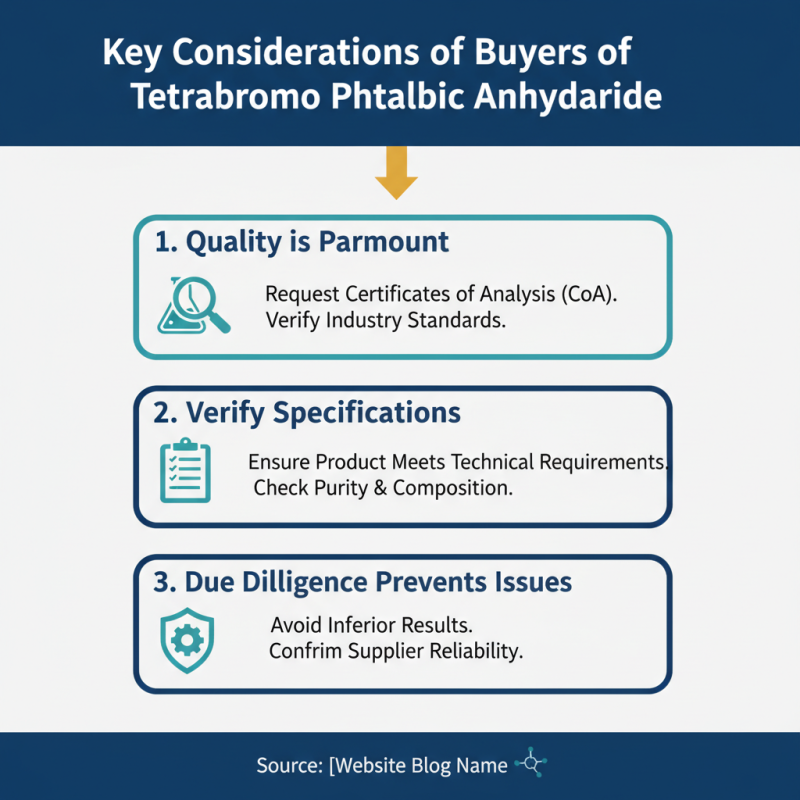
Buyers should be aware of these challenges. Selecting a reliable supplier is crucial. Not all products meet the necessary standards.
Moreover, despite its benefits, there are ongoing discussions about the environmental impact of TBPA.
Striking a balance between performance and ecological responsibility remains a critical concern.
Understanding TBPA's role in various sectors is key for buyers. It is widely used in construction materials and consumer electronics. However, reliance on this compound poses some risks.
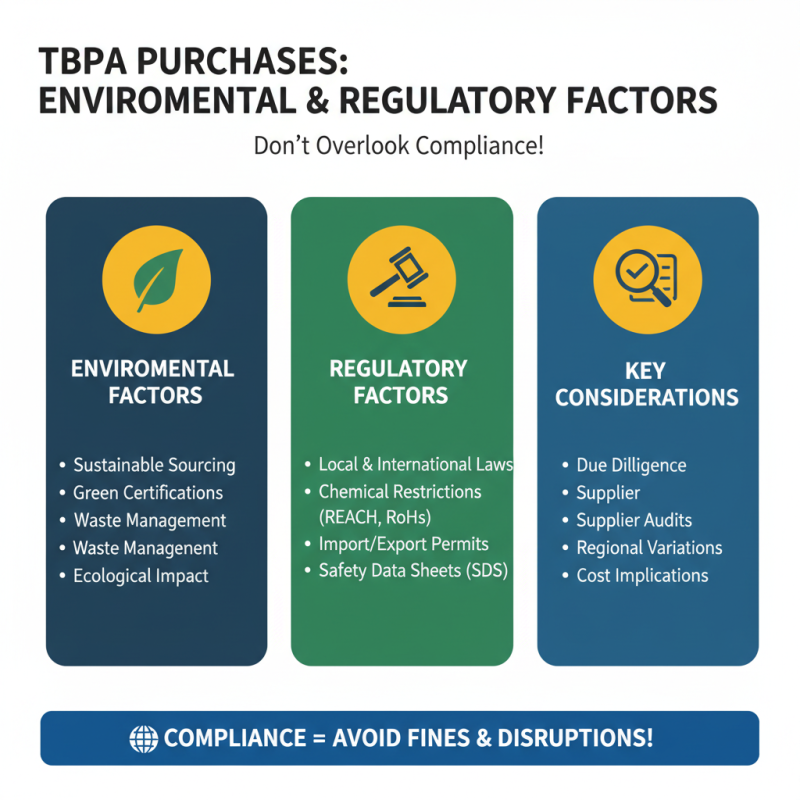
Regulatory changes may affect its availability and usage. Buyers must stay informed about industry trends and regulatory landscapes to navigate these developments effectively.
Ultimately, being aware of these factors can lead to more informed purchasing decisions.
Market Trends and Demand Analysis for 2026
As we look toward 2026, the market for Tetrabromo Phthalic Anhydride (TBPA) is showing significant changes. The demand for TBPA is driven by its critical applications in plastics and coatings. Industries are leaning more toward safer and more sustainable options. This trend influences how manufacturers produce TBPA, focusing on environmental considerations.
Buyers should be aware of the fluctuating prices. Supply chain disruptions have affected raw material availability, leading to potential price hikes. Keeping track of global supply will be crucial for making informed purchasing decisions. The demand from the electronics sector also remains strong, contributing to market fluctuations.
Another challenge is understanding quality standards. Variability in product purity can impact application performance. It's essential for buyers to establish partnerships with reliable suppliers who maintain stringent quality controls. This aspect highlights the need for thorough research and ongoing evaluations. In the evolving landscape, buyers must adapt to these market trends for effective decision-making.
Sourcing Strategies and Supplier Insights for 2026
Sourcing tetrabromo phthalic anhydride (TBPA) requires strategic considerations for buyers in 2026. Industry reports highlight the growing demand for flame retardants in various sectors, with projections suggesting a 5% annual growth rate. This trend indicates an emerging market for TBPA, making sourcing decisions more critical than ever.
Understanding supplier capabilities is essential. Not all suppliers provide consistent quality or reliable delivery timelines. Many companies are shifting towards local sourcing to mitigate lead times and transportation costs. A recent study by a leading market analysis firm indicates that 30% of buyers prefer suppliers within their region to enhance supply chain resilience. However, this can also lead to limited options. Buyers must balance quality and availability against cost when seeking new suppliers.
Quality assurance in TBPA production is vital. Inconsistent quality can affect end product performance, especially in critical applications. Some suppliers may offer lower prices but compromise on quality. A recent survey found that 15% of buyers faced challenges due to inconsistent product quality. This highlights the importance of finding suppliers who demonstrate a commitment to quality standards. Networking with industry experts can also uncover valuable insights into reliable suppliers and effective sourcing strategies.
2026 Insights on Tetrabromo Phthalic Anhydride Market Trends
This bar chart illustrates the projected demand, supply, and price trends for Tetrabromo Phthalic Anhydride from 2024 to 2026. It provides valuable insights for buyers concerning sourcing strategies and market conditions.