Buying N Cyanoacetylurethane requires more than comparing prices on a supplier website. This specialty intermediate may differ in purity, moisture content, particle form, packaging, and batch consistency. Small differences can affect reaction performance, storage stability, and downstream yields. The details matter.
Cefic’s Facts and Figures 2024 report places European chemical sales at approximately €635 billion in 2023, showing the scale of professional chemical sourcing. However, broad industry figures rarely isolate N Cyanoacetylurethane. That gap deserves attention. Buyers should verify the CAS number, assay method, certificate of analysis, impurity profile, manufacturing date, and available batch history. A low price can look persuasive. It may also conceal weak documentation or inconsistent quality. The OECD’s work on chemical safety repeatedly emphasizes reliable hazard information and responsible supply-chain communication. Those principles apply here.
Dr. Paul Anastas, a leading green-chemistry expert, stated, “It is better to prevent waste than to treat or clean up waste after it has been created.” His point supports a practical purchasing approach: select material that performs consistently, arrives in suitable packaging, and minimizes failed experiments or discarded batches. Ask about moisture protection, recommended storage temperature, transport conditions, and technical support. Request a recent sample before committing to volume. Confirm that the supplier can provide current safety documentation and traceability. No checklist removes every uncertainty. Still, these seven buying tips can make N Cyanoacetylurethane purchasing more transparent, technically defensible, and easier to review.
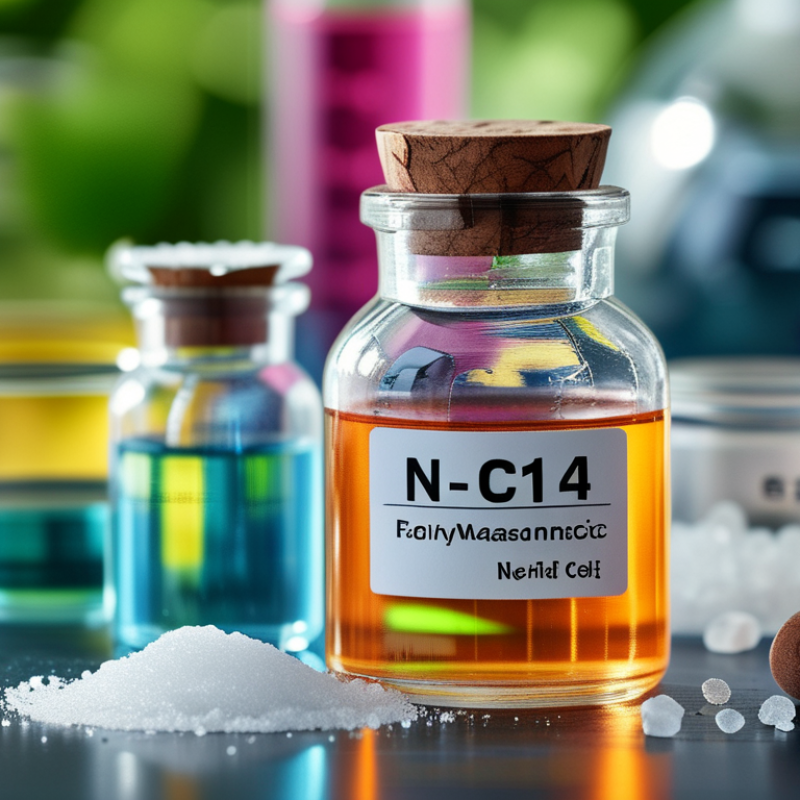
N-Cyanoacetylurethane is a specialty organic intermediate containing cyano, carbonyl, and urethane-related functional groups. Its activated methylene unit can participate in condensation and cyclization reactions. Chemists use it to develop substituted heterocyclic compounds and other research intermediates. Applications depend on its exact structure and grade. The name can vary across catalogs, so identity must be confirmed carefully.
A careful buyer should verify seven details before ordering. Check the CAS number, molecular formula, structural diagram, and stated purity. Request a current certificate of analysis and, when available, chromatographic or spectroscopic data. Review the safety data sheet before handling it. Storage instructions matter, especially when heat, moisture, or light may affect quality. Examine the container seal and label. Confirm the shipment includes batch traceability. Also check whether the supplier provides technical support and compliant documentation.
Keep the material in its original container. Avoid casual repackaging. Use suitable gloves, eye protection, and local ventilation according to the safety sheet. I would not assume a high assay guarantees good performance. Water content, particle condition, and age can still influence a reaction. That detail is easy to miss. For unfamiliar procedures, a small-scale trial and independent analytical check are sensible. Purchase quantities should match a documented research or manufacturing need, with applicable chemical handling and transport rules reviewed before delivery.

When buying N Cyanoacetylurethane, verify its identity before discussing price or volume. The name may describe different structures in supplier databases. Request the CAS number, molecular formula, structural drawing, and lot-specific certificate of analysis. Compare the stated molecular mass with LC-MS or high-resolution mass spectrometry. Confirm functional groups through FTIR and, where practical, 1H and 13C NMR. Do not rely on a catalogue image.
Purity requires more than one percentage. Ask for an HPLC or GC chromatogram, assay method, detection limits, and impurity list. Karl Fischer testing can reveal water, while residual-solvent results should identify each solvent separately. ICP-MS data may expose trace metals. ECHA’s 2023 enforcement project examined 2,407 products and reported about 18% non-compliance, showing why paperwork alone is weak evidence. A recent chemical-industry outlook also identifies supply-chain pressure as a continuing quality risk.
Check whether the testing laboratory follows ISO/IEC 17025 principles. The report should show method validation, measurement uncertainty, sample date, analyst approval, and storage conditions. Ask for the original batch number, retest date, and sealed packaging photographs. An independent laboratory can repeat identity and assay testing before acceptance. Keep a retained sample.
A clean chromatogram is not proof of structure. I have seen specifications omit water content. That omission matters. Compare three lots when possible, then record any unexplained variation instead of ignoring it.
Which Supplier Qualifications and Documents Should You Check?
Buying N Cyanoacetylurethane requires more than comparing prices. Request the supplier’s legal company name, manufacturing-site address, and production authorization. Confirm the product identity through CAS number, molecular formula, molecular weight, and declared purity. A current Certificate of Analysis should show batch number, test methods, assay, moisture, impurities, and release date. Match every detail with the Safety Data Sheet and Technical Data Sheet. Small inconsistencies matter.
Check whether the supplier operates under ISO 9001, and verify the certificate directly with the issuing body. The ISO Survey 2022 reported 1,265,216 valid ISO 9001 certificates worldwide, so certification alone does not prove chemical expertise. Ask for change-control procedures, deviation records, corrective actions, and batch traceability. Request recent stability or retest information when storage time matters. Also review transport classification, packaging specifications, and destination-market compliance statements. Requirements may differ by country.
Look beyond polished documents. Ask for a sample, sealed packaging photographs, and an independent test report when the material is critical. The UN Global Chemicals Outlook II projects global chemical production could double by 2030, increasing pressure on supply chains and quality systems. A supplier should explain raw-material controls and backup capacity clearly. Vague answers deserve attention.
I have found that document review can still miss weak traceability. An on-site or remote audit may reveal the gap. Check twice.
Price comparisons fail when suppliers quote different commercial bases. Request the price per kilogram, minimum order, purity, assay method, and Incoterm in one table. Industry freight data shows why this matters. UNCTAD’s 2024 Review of Maritime Transport reported that Suez disruptions sharply reduced canal transits and increased voyage distances. Drewry’s World Container Index also recorded major weekly freight swings during disruption periods. A low material price may hide expensive transport, insurance, or port charges.
Packaging deserves equal attention. Ask whether the material uses sealed inner bags, moisture barriers, fiber drums, or another validated container. Confirm net weight, pallet configuration, batch number, and storage temperature. The International Air Transport Association’s 2024 cargo guidance emphasizes accurate shipment descriptions and handling information. Do not assume identical packaging protects the product equally. For N Cyanoacetylurethane, request stability data, shelf-life evidence, and a current certificate of analysis. Small documentation gaps can become expensive delays.
Delivery conditions should state production lead time, dispatch date, transit estimate, and acceptable shelf life on arrival. Check whether the quote includes export documents, insurance, and delivery to your facility. Chemical logistics reports from global freight consultancies consistently show that port congestion and container shortages can change schedules quickly. That risk needs discussion, not optimistic wording. I once focused too heavily on unit price; the real cost appeared later in repacking and delayed testing. A better comparison leaves room for uncertainty.
Buying N Cyanoacetylurethane requires more than comparing prices. Confirm the exact chemical identity, CAS number, purity range, and intended application before requesting quotations. Names can vary across documents. A reliable supplier should provide a current Safety Data Sheet, Certificate of Analysis, batch number, and impurity profile. Check whether the product is classified as hazardous, sensitizing, corrosive, combustible, or harmful if inhaled. Ask for practical handling guidance, not vague assurances.
Storage conditions can affect both safety and product quality. Keep the material in its original, tightly sealed container, away from moisture, heat, direct light, and incompatible chemicals. The label should show the batch, received date, hazard information, and retest or expiry date. A cool, dry, controlled area is usually preferable, but the supplier’s SDS must guide the final decision. Use suitable gloves, eye protection, ventilation, and spill procedures. Small details matter. A damaged liner is not minor.
Regulatory checks should cover the destination country, import status, workplace rules, transport classification, and local chemical inventory requirements. Documents must match the physical shipment. Request confirmation of registration or exemption status where applicable, while remembering that buyer obligations can remain. Evaluate packaging integrity, traceability, insurance, and change-notification practices. An independent identity or purity test may be sensible for critical purchases. I would not rely on a familiar-looking label alone; that assumption has caused avoidable mistakes. Before ordering, have a qualified safety or compliance professional review the intended use and storage plan.