What Is the Best N Hydroxyphthalimide Supplier in China?
Choosing the best N Hydroxyphthalimide supplier in China requires more than comparing prices. This specialty catalyst is usually evaluated through purity, batch consistency, documentation, and technical support. Its performance can change when moisture, residual solvents, or particle size varies. A clean white powder may look acceptable, yet appearance alone proves very little.
China’s chemical industry represented approximately 43% of global chemical sales in 2022, according to Cefic’s Facts and Figures 2023 report. This scale creates strong sourcing opportunities, but it also increases supplier differences. Market reports from Grand View Research and similar specialty-chemical analysts indicate continuing demand for high-performance oxidation catalysts. However, N Hydroxyphthalimide is rarely reported as a separate market category. That limitation matters. Buyers should avoid treating broad catalyst forecasts as direct NHPI demand data.
Professor Yoshihito Ishii, a leading researcher in NHPI-mediated oxidation, described NHPI as “an efficient catalyst for the oxidation of hydrocarbons with molecular oxygen.” His work highlights why purity and catalytic behavior deserve careful verification. A serious Chinese supplier should provide a current certificate of analysis, safety data sheet, synthesis or quality-control details, and traceable batch numbers. ISO certification can help, but it does not replace independent testing.
The best supplier is not always the largest factory. A smaller producer may offer better communication, fresher batches, or more flexible packaging. That assumption can fail, too. Before approving a supplier, request a sample, compare assay results, inspect packaging, and ask how complaints are handled. One overlooked detail can affect an entire reaction schedule.

N-Hydroxyphthalimide: Definition, Properties, and Common Applications
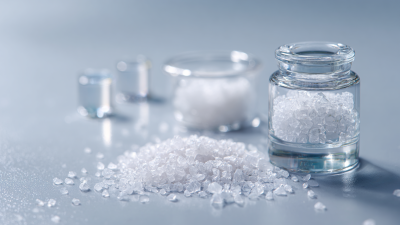
N-Hydroxyphthalimide (NHPI) is a white to pale crystalline specialty intermediate. Its molecular formula is C8H5NO3, with a molecular weight of 163.13 g/mol, according to PubChem data. It is valued for its stable imide structure and its ability to form the phthalimide-N-oxyl radical, often called PINO. This radical supports selective oxidation reactions under comparatively mild conditions. NHPI is not simply a solvent additive. It can influence conversion, selectivity, and reaction control.
Common applications include aerobic oxidation of hydrocarbons, alcohols, and aldehydes. Researchers also use NHPI in catalytic studies, polymer-related chemistry, and the preparation of oxygenated intermediates. ECHA substance information and published peer-reviewed studies describe its low volatility and strong thermal stability compared with many liquid organic mediators. However, performance depends on purity, particle size, moisture, and the reaction system. A 2024 specialty-chemicals market review noted that NHPI is usually grouped within broader catalyst and intermediate categories. Public reports rarely provide reliable standalone sales figures. That limitation deserves attention.
Tips:
When assessing a Chinese supplier, request a recent certificate of analysis, HPLC purity, melting range, moisture data, and batch traceability. Ask for packaging photographs and retained-sample procedures. Do not rely on purity alone. A supplier may report 98% purity while offering inconsistent batches. Small details matter here. Validate one sample in your own reaction system before placing a larger order.
Key Standards for Evaluating Chinese N-Hydroxyphthalimide Suppliers
What Is the Best N-Hydroxyphthalimide Supplier in China?
Key Standards for Evaluating Chinese N-Hydroxyphthalimide Suppliers
Choosing the best N-hydroxyphthalimide supplier requires more than comparing prices. Begin with identity, purity, and batch consistency. A reliable supplier should provide a recent certificate of analysis for each production lot. Check HPLC data, moisture results, melting range, and impurity limits. Ask whether the testing laboratory uses validated methods and calibrated instruments.
Look closely at manufacturing traceability. The supplier should explain its raw material controls, reaction stages, purification process, and packaging conditions. Clear batch numbers matter. So does a practical quality agreement. Request a small sample before placing a larger order. Inspect the material’s appearance, package seal, labeling, and documentation. Independent testing can confirm the supplier’s data.
Do not trust polished websites alone. A professional supplier should answer technical questions without vague promises. It should provide an SDS, storage guidance, transport information, and applicable regulatory documents. Confirm production capacity, lead times, export experience, and response procedures for deviations. Communication speed is useful, but technical accuracy matters more.
There is no perfect supplier.
One weakness is easy to miss: a company may show strong laboratory results but weak shipment control. Review packaging photos, retain-sample practices, and complaint records when possible. An on-site or video audit can reveal practical details, such as cleanliness, labeling discipline, and material segregation. The best choice is the supplier that combines repeatable quality, transparent evidence, and honest discussion of limitations.
How to Compare Product Quality, Purity, and Technical Documentation
When evaluating an N-hydroxyphthalimide supplier in China, purity claims need evidence, not attractive percentages.
A stated 99% assay should identify the method, detector, reference standard, and test date. HPLC area percentage is useful, but it may not reveal water, residual solvents, metals, or unidentified by-products. Request a recent Certificate of Analysis for the exact batch. Check the lot number on every page.
Technical documentation often separates reliable suppliers from traders.
Ask for HPLC, NMR, FTIR, Karl Fischer water, and residual-solvent results. The testing laboratory should show equipment identifiers, calibration status, and analyst approval. ICH Q2(R2), adopted in 2023, emphasizes specificity, accuracy, precision, and robustness in analytical procedures. That framework helps buyers question weak chromatograms. A clean-looking PDF is not enough.
Production consistency also matters.
Compare three or more batch records, packaging photographs, storage conditions, and retest policies. The ISO Survey 2023 reported more than 1.2 million ISO 9001 certificates worldwide, yet certification alone does not prove chemical purity. I would treat ISO registration as a quality-system signal, not a product guarantee. My checklist is imperfect; moisture limits may still be overlooked. An independent pre-shipment test can expose that gap. Reliable suppliers usually explain deviations clearly, preserve samples, and provide SDS and traceability documents without hesitation.
Supplier Verification: Manufacturing Capacity, Compliance, and Reliability
What Is the Best N-Hydroxyphthalimide Supplier in China?
Supplier verification should begin with manufacturing evidence, not a polished website. China represents around 31% of global manufacturing value added, according to UNIDO’s Industrial Development Report 2024. That scale is impressive, but it does not prove consistency for N-hydroxyphthalimide. Ask for reactor volume, annual output, production scheduling, and recent batch records. A capable plant should explain how it controls purity, moisture, residual solvents, and particle size. Request three consecutive COAs and compare their testing methods. HPLC results without method details are weak evidence.
Compliance requires more than an SDS file. The 2023 ISO Survey reported over 1.2 million ISO 9001 certificates worldwide, yet certification alone cannot replace a site audit. Verify whether the certificate covers the actual manufacturing location. Check raw-material traceability, calibration records, waste handling, worker training, and corrective-action reports. Confirm documentation for the destination market, including labeling, transport classification, and chemical registration duties. Requirements may differ by country.
Reliability appears in small details. Review the supplier’s delivery history, minimum order quantity, packaging design, and backup raw-material sources. A sealed inner bag, desiccant, and clear lot number matter during humid shipping. Ask how the supplier handles an out-of-specification batch. One uncomfortable lesson remains: impressive capacity figures can hide poor batch discipline. I would also verify independently, because supplier-provided data may be incomplete or slightly optimistic.