Why Choose Phthalic Anhydride for Your Industrial Needs?
In the world of industrial chemicals, Phthalic Anhydride stands out for its versatility and application. Dr. Emily Chen, a renowned expert in chemical engineering, once noted, "Phthalic Anhydride is the backbone of many manufacturing processes." This underscores its significance in industries ranging from plastics to coatings.
Phthalic Anhydride is essential for producing various polyesters and resins. Its ability to enhance product durability makes it valuable to manufacturers. However, sourcing high-quality Phthalic Anhydride can be challenging. Many companies must navigate fluctuating markets and varying product standards.
Understanding the attributes and challenges of Phthalic Anhydride is crucial. Choosing the right supplier impacts quality and performance. Companies should assess their specific needs carefully. Expert insights are invaluable when making these decisions, helping businesses thrive amid uncertainty in the chemical market.

Understanding Phthalic Anhydride: A Chemical Overview
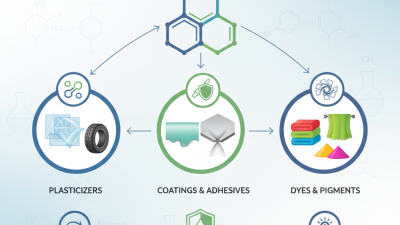
Phthalic anhydride is a vital chemical in many industries. Understanding its properties and applications reveals why it is a preferred choice. This colorless solid is derived from naphthalene and is primarily used to make plasticizers, resins, and dyes. Its versatility makes it suitable for various industrial needs.
In the production of plasticizers, phthalic anhydride enhances flexibility and durability. It serves as a key ingredient in the manufacturing of polyvinyl chloride (PVC). Additionally, its role in alkyd resin production contributes to coatings that resist corrosion. These applications underscore its importance.
However, it’s essential to consider potential environmental concerns associated with phthalic anhydride. The chemical can pose risks if not handled properly. Safety measures are crucial in its transportation and storage. Understanding these precautions can ensure responsible usage in industrial applications. Phthalic anhydride remains a valuable resource when managed correctly.
Key Applications of Phthalic Anhydride in Industry
Phthalic anhydride is a versatile chemical compound widely used in various industries. Its prominent applications include the production of plasticizers, resins, and dyes. These applications are essential for creating durable products that enhance everyday life.
One key application of phthalic anhydride is in the manufacturing of plasticizers. These additives improve the flexibility and durability of plastics. They are crucial in producing cables, flooring, and automotive parts. Many industries rely on these properties to ensure the longevity of their products.
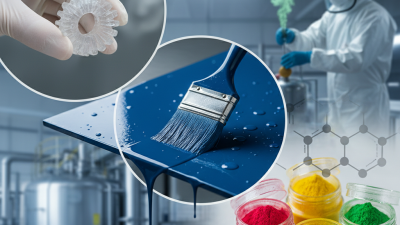
Another important use is in the production of alkyd resins. These resins are used in paints and coatings. They provide excellent adhesion and gloss. Their application can be found in households and industrial settings. Choosing the right resin can impact both performance and environmental safety.
Tip: Always evaluate the source of your phthalic anhydride. Quality and purity can greatly affect your end products.
Phthalic anhydride also serves as a precursor in manufacturing dyes. The dye industry benefits from its ability to produce vibrant colors. This application is vital in textiles and graphic arts, enhancing visual appeal.
Tip: Consider the environmental impact of using phthalic anhydride in your processes. Researching safer alternatives can lead to better practices.
Despite its advantages, phthalic anhydride can pose safety risks. Proper handling and storage are crucial to minimize exposure. Understanding these challenges is necessary for effective and safe manufacturing.
Advantages of Using Phthalic Anhydride for Manufacturing Processes
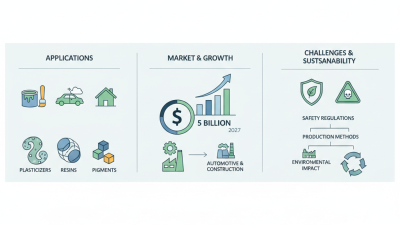
Phthalic anhydride (PA) plays a significant role in various manufacturing processes. It is widely used in the production of plasticizers, resins, and pigments. According to a recent market analysis, the global phthalic anhydride market was valued at approximately 5.3 billion USD in 2021 and is projected to grow steadily over the next few years.
One of the key advantages of phthalic anhydride is its versatility. It can be used in different industrial applications, making it a favored choice among manufacturers. It acts as a precursor in synthesizing important chemical compounds. This flexibility allows companies to optimize production lines efficiently. However, it is essential to consider the environmental impacts. Recent reports indicate that manufacturers must adhere to stricter regulations regarding emissions and waste.
The chemical's effectiveness enhances durability and performance in products. For example, PA-derived plasticizers improve flexibility in materials. They are crucial in producing high-quality coatings and sealants. However, potential exposure risks have led to ongoing debates in the industry. Companies must reflect on improving safety measures without compromising product performance. This balance is vital for sustainable growth in the phthalic anhydride sector.
Environmental Impact and Safety Considerations of Phthalic Anhydride
Phthalic anhydride is a versatile chemical widely used in multiple industries. However, its environmental impact and safety considerations are crucial for responsible usage. This compound can potentially release harmful pollutants if mishandled. Industry professionals must understand these risks to mitigate environmental damage.
Proper safety measures are critical. Phthalic anhydride can irritate the skin and respiratory system. Industries should ensure appropriate protective gear is available. Regular training can help workers understand the hazards. Safety data sheets should be readily accessible and clearly understood by employees.
Industries need to assess their impact. An audit of emissions can help identify areas for improvement. Finding eco-friendly alternatives remains a priority. Companies may struggle with balancing performance and safety. Yet, it is essential to prioritize environmental responsibility alongside operational efficiency. Awareness and proactive measures can lead to safer applications of phthalic anhydride.
Future Trends in Phthalic Anhydride Usage and Innovation
Phthalic anhydride is experiencing a notable evolution in its application across various industries. As sustainability takes center stage, innovations are transforming this compound's role. Recent reports indicate that the global phthalic anhydride market is poised to grow at a CAGR of 5% from 2023 to 2030. A shift towards bio-based production methods is on the horizon, driven by environmental concerns and regulatory pressures.
Moreover, new formulations are enhancing the performance of phthalic anhydride in resins and coatings. This trend aligns with growing demand in automotive and construction sectors. According to a study by market research analysts, phthalic anhydride usage in coatings is projected to increase by 7% annually. While the data is promising, challenges remain. Companies must navigate fluctuating raw material costs and emerging regulations that might hinder innovation.
Investments in research and development are essential for overcoming hurdles. Collaborative efforts among chemical manufacturers, universities, and regulatory bodies will foster advancements in phthalic anhydride applications. Adapting to the latest technological developments can enhance market resilience. However, sectors must continually assess their reliance on traditional methods and remain open to innovative practices. This dual focus on innovation and adaptability could define the future trajectory of phthalic anhydride in industry.
Why Choose Phthalic Anhydride for Your Industrial Needs? - Future Trends in Phthalic Anhydride Usage and Innovation
| Application Area |
Usage Percentage (%) |
Future Trends |
Innovation Focus |
| Plastics |
40 |
Increased Demand |
Biodegradable Plastics |
| Paints and Coatings |
30 |
Eco-Friendly Formulations |
Low-VOC Products |
| Resins |
20 |
Sustainable Materials |
Recyclable Resins |
| Plasticizers |
10 |
Healthier Alternatives |
Non-toxic Plasticizers |