Diheptyl Phthalate Benefits and Risks You Should Know?
Diheptyl Phthalate is gaining attention in the chemical industry. It is a plasticizer, used widely in various applications. This compound offers several benefits, yet it also poses certain risks.
Recent reports indicate that the global demand for phthalates is rapidly increasing. According to a forecasting analysis by Grand View Research, the market for plasticizers is expected to reach $13.6 billion by 2025. Diheptyl Phthalate accounts for a small but growing segment of this market. It enhances flexibility in products, making them more appealing.
However, the use of Diheptyl Phthalate raises concerns regarding safety. Studies have suggested potential links to endocrine disruption. Regulatory bodies are increasingly scrutinizing phthalate usage. Awareness of these risks is crucial for manufacturers and consumers alike. Understanding both sides of Diheptyl Phthalate is essential for informed decision-making. Responsible sourcing and usage will be key in balancing its benefits and associated risks.
Overview of Diheptyl Phthalate and Its Chemical Properties
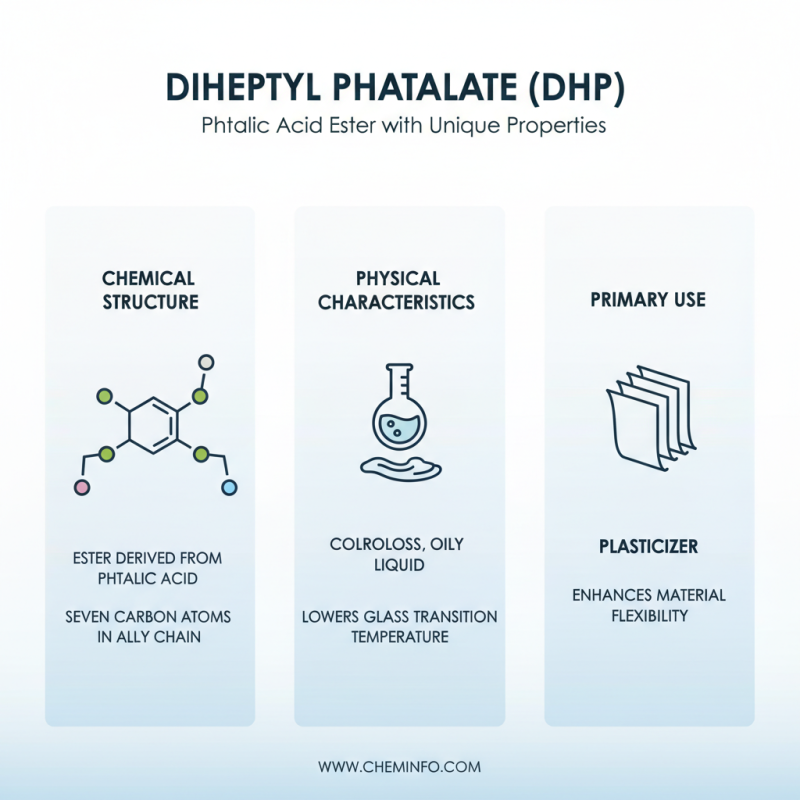
Diheptyl phthalate (DHP) is an ester derived from phthalic acid. It has seven carbon atoms in its alkyl chain, giving it unique properties. This compound appears as a colorless, oily liquid. It is often used as a plasticizer to enhance flexibility in materials. Its ability to lower the glass transition temperature makes it valuable in various applications.
DHP's chemical structure consists of a phthalate backbone with heptyl groups. This arrangement allows it to interact effectively with polymers. It may improve the durability and performance of plastics. However, concerns arise regarding its potential health effects. Studies indicate that phthalates can disrupt endocrine functions. Therefore, understanding its properties is crucial for assessing safety.
The use of DHP in consumer products raises questions. While it provides benefits in manufacturing, it may pose risks. Not all studies converge on its safety profile. Some findings suggest possible toxic effects, though data remains inconclusive. The balance between its beneficial uses and health implications needs careful examination.
Common Uses of Diheptyl Phthalate in Industry and Consumer Products
Diheptyl phthalate is gaining attention in various industries. It is commonly used as a
plasticizer in polyvinyl chloride (PVC), making materials more
flexible and durable. Reports indicate that nearly 30% of plasticizer demand comes
from the PVC sector. This dynamic usage supports many consumer goods, from toys to building materials.
In the cosmetics industry, diheptyl phthalate acts as a solvent and fixative
in fragrances. A recent study estimated that about 10% of personal care products may contain phthalates.
This ensures that fragrances last longer on the skin. However, it's essential to consider the potential risks associated
with its use. Some individuals may experience irritations or allergies from cosmetics containing phthalates. A reflexive approach
to its safety is necessary.
Due to environmental concerns, the industry is under scrutiny. Data shows a growing demand for safer alternatives. Many
manufacturers are exploring plant-based plasticizers. While diheptyl phthalate remains a
useful compound, its implications raise important questions about consumer health and environmental impact. Balancing its
benefits with these considerations is crucial for future applications.
Potential Health Benefits Associated with Diheptyl Phthalate
Diheptyl Phthalate, often used as a plasticizer, has several potential health benefits worth exploring. Some studies suggest it may improve flexibility and durability in products. This could lead to safer materials in various industries. However, the effects on human health are still largely unknown.
It's important to note that while Diheptyl Phthalate can enhance certain products, it may also pose risks. The impact on endocrine functions is a growing concern. Some people may experience allergic reactions or skin sensitivities when exposed. Awareness is crucial for those who work with or use products containing this compound.
Tips: Always check product labels for chemical contents. Reducing exposure can help minimize potential risks. Consider using alternatives when available. Being aware of your surroundings is key in health-conscious choices. Maintaining a cautious approach may mitigate unwanted effects.
Diheptyl Phthalate Benefits and Risks You Should Know
| Aspect |
Details |
| Chemical Name |
Diheptyl Phthalate |
| Molecular Formula |
C19H38O4 |
| Primary Uses |
Plasticizer in various products, cosmetics |
| Potential Health Benefits |
Improves flexibility in plastics, lower volatility than other phthalates |
| Potential Risks |
Endocrine disruption, possible reproductive toxicity |
| Regulatory Status |
Regulated by various health and safety agencies |
| Alternatives |
Non-phthalate plasticizers, bio-based alternatives |
| Environmental Impact |
Potential for aquatic toxicity, persistence in environment |
Risks and Concerns Related to Diheptyl Phthalate Exposure
Diheptyl phthalate (DHP) is a chemical often used in manufacturing plastics. Exposure to DHP can lead to health concerns. Studies indicate that it may disrupt hormonal functions in the body. This disruption can lead to reproductive and developmental issues. Individuals in certain jobs are at greater risk. Prolonged contact with DHP can be particularly concerning for pregnant women and children.
Environmental exposure is another concern. DHP can leach into soil and water. This exposure over time can affect wildlife. An increase in pollution levels may lead to bioaccumulation in ecosystems. Such contamination can have unforeseen consequences on human health. Many people remain unaware of these risks. It is essential to stay informed about the materials present in everyday products.
Awareness is key. Limiting exposure to DHP can reduce potential health risks. Reading labels and choosing safer alternatives is advisable. Engaging in discussions about chemical safety is vital for communities. However, many still overlook these discussions. The importance of collective knowledge cannot be emphasized enough. Encouraging transparency in product ingredients is crucial.
Diheptyl Phthalate Exposure Levels and Health Concerns
This chart displays the average estimated exposure levels of Diheptyl Phthalate (DHP) across different environments and the corresponding health concerns associated with those exposure levels. It highlights the significance of monitoring DHP in the environment to mitigate health risks.
Regulatory Status and Safety Guidelines for Diheptyl Phthalate
Diheptyl Phthalate (DHP) is often used as a plasticizer in various applications. Its regulatory status varies worldwide. In the US, the Environmental Protection Agency (EPA) includes DHP in its Chemical Assessment Reports. Research shows that DHP can impact human health and the environment. Awareness of safety guidelines is crucial.
Current data from the International Agency for Research on Cancer (IARC) suggests that certain phthalates may be linked to reproductive and developmental issues. However, studies indicate that DHP itself lacks sufficient evidence for carcinogenicity. This means more research is needed. The lack of clear regulations can confuse consumers and manufacturers alike.
When working with DHP, proper safety practices are essential. Always use gloves and work in well-ventilated areas. Be aware of potential skin and eye contact. In industrial applications, check local regulations. Transparency in usage helps mitigate risks.
Tips: Keep Safety Data Sheets (SDS) accessible. Educate staff on safe handling. Regularly review safety protocols. In a rapidly changing regulatory environment, being informed is key.