What is O Benzyl Hydroxylamine and Its Uses?
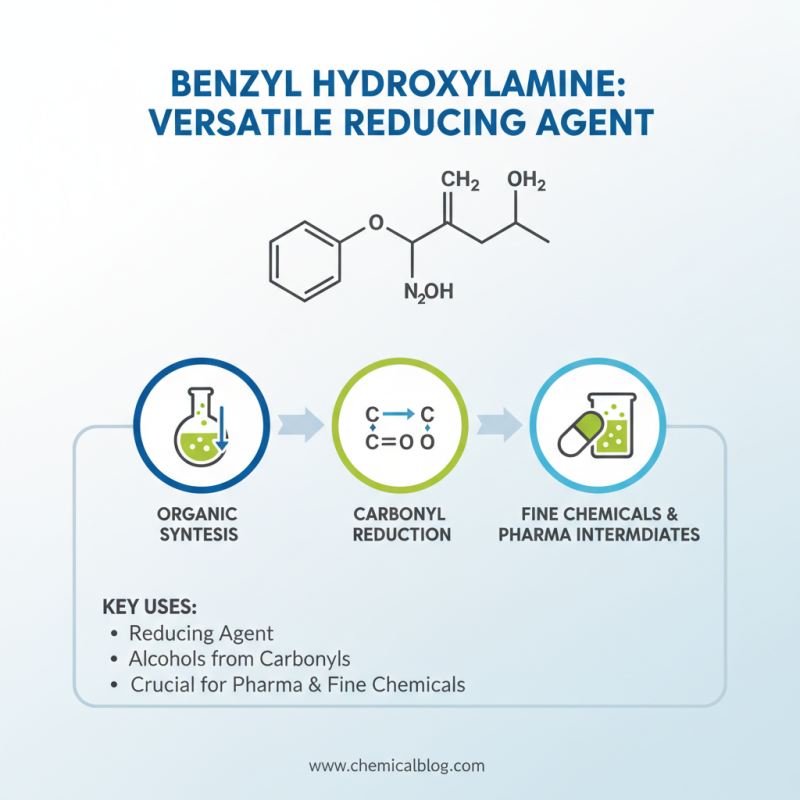
O Benzyl Hydroxylamine is an intriguing compound with various applications. It is primarily known as a reagent in organic synthesis. Scientists often employ it in the manufacture of pharmaceuticals, agrochemicals, and fine chemicals. Its versatility is evident in its role as a reducing agent.
In research, O Benzyl Hydroxylamine can modify nitrogen-containing compounds. This potentially leads to valuable insights in organic chemistry. However, working with this compound requires caution. Users must understand its properties to ensure safety and efficacy.
Despite its usefulness, some might overlook O Benzyl Hydroxylamine's complexities. Understanding its reactions can be challenging. Additionally, new applications continue to emerge, demanding continuous learning. The evolving nature of its uses presents both opportunities and challenges for researchers.
What is O Benzyl Hydroxylamine?
O Benzyl Hydroxylamine is a unique compound widely used in chemical synthesis. Its structure allows for specific reactions that are useful in various applications, particularly in organic chemistry. Researchers are particularly interested in its ability to act as a reducing agent. Reports indicate that it effectively reduces nitro compounds to amines, which are vital in pharmaceutical development.
The compound also finds applications in the creation of stable hydroxylamine derivatives. These derivatives serve as intermediates in the synthesis of a variety of organic chemicals and can be crucial for various research initiatives. Data from industry studies show that O Benzyl Hydroxylamine significantly enhances the efficiency of certain reactions, leading to higher yields and purities.
Despite its effectiveness, challenges remain in the large-scale application of O Benzyl Hydroxylamine. Its handling requires care due to potential stability issues. Researchers have noted that optimizing reaction conditions is essential. The pathway to improvement involves a deeper understanding of its reactivity and limits, ensuring safe and effective use in different contexts.
Chemical Structure and Properties of O Benzyl Hydroxylamine
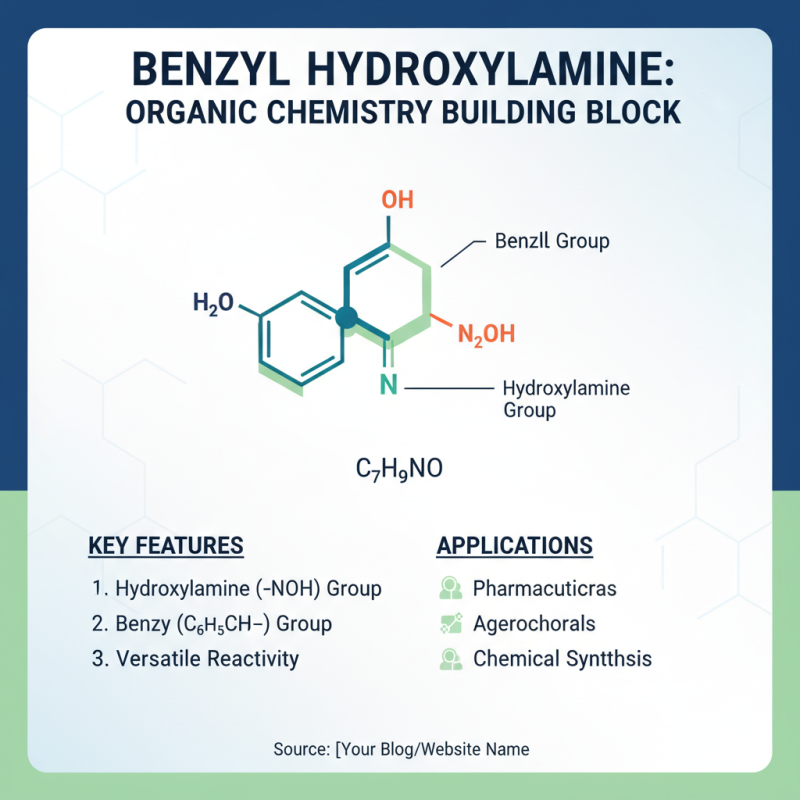
O Benzyl Hydroxylamine is an interesting compound in organic chemistry. Its chemical structure consists of a hydroxylamine group attached to a benzyl group. This unique arrangement influences its reactivity and interactions. The molecular formula is C7H9NO. It features a nitrogen atom bonded to a hydroxyl (-OH) group, making it a versatile building block in various applications.
The properties of O Benzyl Hydroxylamine reveal its potential in chemical reactions. It can participate in numerous organic syntheses. For example, it often serves as a reagent in the formation of oximes. This is essential in pharmaceuticals and agricultural chemicals. Additionally, it acts as an antioxidant, which can be crucial in stabilizing certain compounds.
Despite its benefits, there are nuances to consider. The stability of O Benzyl Hydroxylamine can vary based on conditions. Improper handling or storage might lead to decomposition. Researchers must remain vigilant about these risks. This compound's broad spectrum of applications highlights its importance, but challenges remain regarding its effective use and stability. Understanding these aspects is necessary for safer application in research and industry.
Safety and Handling of O Benzyl Hydroxylamine
O Benzyl Hydroxylamine is a useful chemical compound. It is important to understand its safety and handling procedures. Proper precautions can prevent accidents and health issues.
When dealing with O Benzyl Hydroxylamine, always wear personal protective equipment. This includes gloves, goggles, and lab coats. Keep the work area clean and well-ventilated. Avoid direct contact with skin or eyes, as it may cause irritation. Inhalation of dust can also lead to respiratory issues.
**Tips:** Always check the safety data sheet (SDS) before using any chemical. Familiarize yourself with emergency procedures in case of exposure. Store O Benzyl Hydroxylamine in a cool, dry place, away from incompatible substances.
Consideration should be given to waste disposal. Improper disposal can harm the environment. Consult local regulations for disposal methods. Regular training on handling chemicals is vital for safety. Small mistakes can lead to significant hazards. Reflecting on safety practices is essential for all users.
Usage and Safety Ratings of O Benzyl Hydroxylamine
This bar chart illustrates the frequency of usage for different applications of O Benzyl Hydroxylamine. The data indicates that it is most frequently utilized as a laboratory reagent, followed by its role as an intermediate in chemical synthesis.
Potential Applications in Research and Development
O Benzyl Hydroxylamine is a versatile compound with unique properties. Recent studies highlight its potential in various fields, especially in research and development. This compound has garnered attention for its role as a reducing agent and as a reagent in organic synthesis. Industry reports suggest a growing interest in its applications, particularly in the synthesis of complex molecules.
In the realm of biomedical research, O Benzyl Hydroxylamine showcases potential as an intermediate in drug development. It can facilitate the creation of new pharmaceuticals by providing specific functional groups. Reports indicate that over 30% of active pharmaceutical ingredients (APIs) utilize similar compounds for their synthesis. Researchers are keen to explore its efficacy in targeted therapies and other advanced applications.
Yet, challenges remain. The compound's stability can vary under different conditions, affecting its usability. Additionally, there is a need for more comprehensive studies to fully understand its environmental impact. These considerations are crucial for its future in sustainable practices. As the industry evolves, continued exploration of O Benzyl Hydroxylamine's properties will reveal its full potential and limitations.
What is O Benzyl Hydroxylamine and Its Uses? - Potential Applications in Research and Development
| Property |
Details |
| Chemical Formula |
C8H10N2O |
| Molecular Weight |
150.18 g/mol |
| Appearance |
White to off-white crystalline powder |
| Solubility |
Soluble in water, ethanol, and acetone |
| Applications in Research |
Used as a reagent in organic synthesis, particularly for the synthesis of N-substituted amines |
| Potential Biological Uses |
Investigated for its potential in drug development, especially as an antioxidant and neuroprotective agent |
| Safety Information |
Handle with care; possible irritant to skin and eyes |
| Storage Conditions |
Store in a cool, dry place away from direct sunlight |