What is O Benzyl Hydroxylamine and Its Uses in Chemistry?
O Benzyl Hydroxylamine is a significant compound in organic chemistry. It is praised for its versatility in various applications. Dr. Emily Carter, a renowned chemist, noted, "O Benzyl Hydroxylamine bridges the gap between fundamental research and industrial application." This highlights its importance in both academic and practical settings.
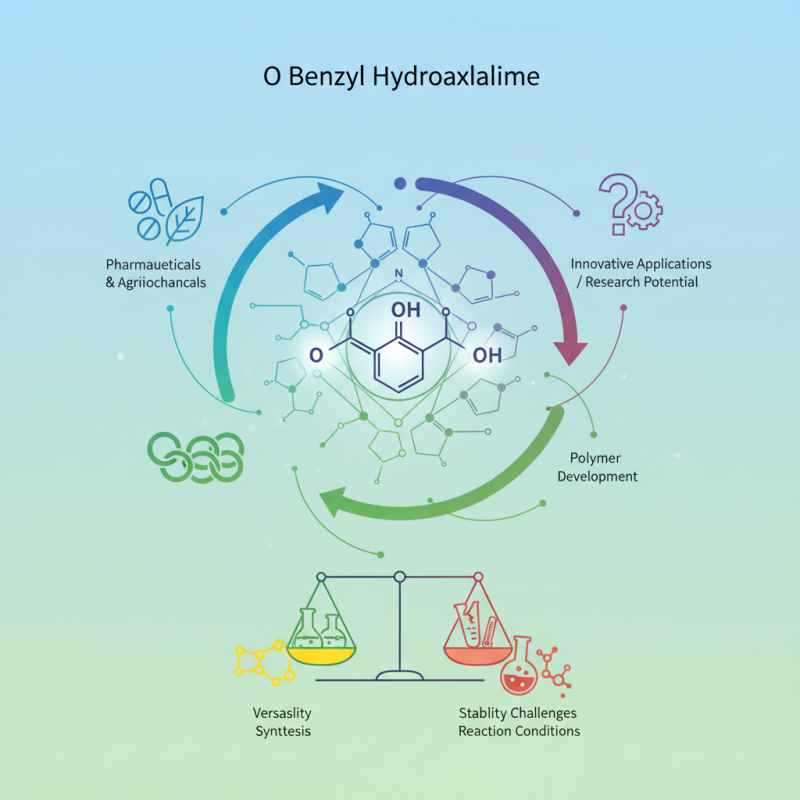
This compound serves as a critical reagent in the synthesis of pharmaceuticals and agrochemicals. O Benzyl Hydroxylamine is also essential in developing certain polymers. Many researchers explore its potential in innovative applications. The compound’s effectiveness can sometimes vary, leading to ongoing debates in the chemistry community about its optimal usage.
Despite its usefulness, challenges remain in the lab. Researchers often face issues with stability and reaction conditions. These factors can complicate the intended outcomes. Finding precise parameters is crucial for maximizing O Benzyl Hydroxylamine’s potential. This ongoing quest illustrates the complexity of working with this compound.
What is O Benzyl Hydroxylamine?
O Benzyl Hydroxylamine is an organic compound with a unique structure. It consists of a hydroxylamine group bonded to a benzyl group. This compound is often encountered in synthetic organic chemistry. Its role can be both significant and complex in various reactions.
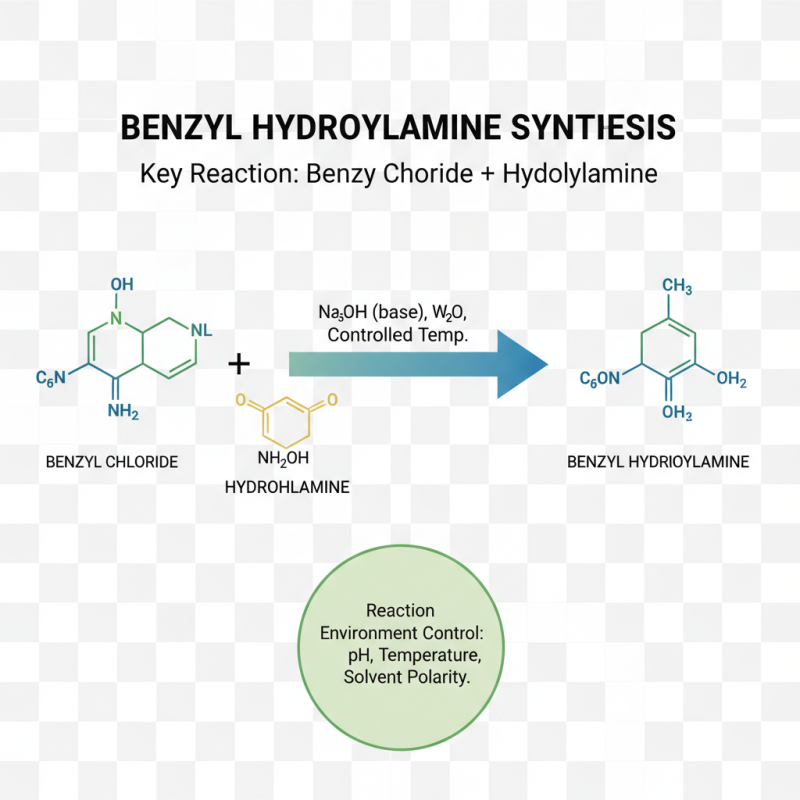
In chemical synthesis, O Benzyl Hydroxylamine serves as a useful intermediate. It can participate in various transformations, such as the formation of amides or other nitrogen-containing compounds. The benzyl group can enhance the stability of the molecule. However, using O Benzyl Hydroxylamine may require caution.
When handled improperly, it can lead to unpredictable results. Laboratory practices must be refined to ensure success in reactions. Its versatility makes it intriguing, yet its behavior can be enigmatic. Many chemists continuously seek to understand its full potential. It remains a subject of further exploration, revealing its intricacies along the way.
Chemical Structure and Properties of O Benzyl Hydroxylamine
O Benzyl Hydroxylamine, a simple organic compound, has garnered attention in various chemical applications. Its chemical structure features a hydroxylamine group attached to a benzyl moiety. The formula is C7H9NO, and it has notable properties that enhance its utility in different chemical reactions. For instance, its ability to act as a nucleophile makes it a valuable reagent in organic synthesis.
The compound exhibits moderate solubility in water and organic solvents. This solubility aids in its effective use in diverse chemical environments. Standard reports indicate that O Benzyl Hydroxylamine can facilitate the conversion of carbonyl compounds into their corresponding amines. The reaction yields are often quite high, often exceeding 85%, showing the compound's efficacy.
Tips: When working with O Benzyl Hydroxylamine, proper handling is crucial. Utilize protective gear to avoid any irritation. Additionally, be mindful of reaction conditions. Controlling temperature can improve yields and minimize by-products. Reflections on your lab practices can lead to safer and more efficient experiments. Always document your methods and outcomes for future reference.
Applications of O Benzyl Hydroxylamine in Organic Chemistry
O Benzyl Hydroxylamine is a versatile reagent in organic chemistry. It plays a key role in the synthesis of various compounds. This compound has applications in creating amines and hydroxylamines. These transformations are often essential in drug discovery and development.
One notable use of O Benzyl Hydroxylamine is in protecting aldehyde groups. This paves the way for further reactions without compromising the structure. The ease of introducing functional groups is appealing. Researchers appreciate its efficiency, but they must be cautious about reaction conditions. Sometimes, the yields can be lower than expected. This unpredictability can be frustrating in synthesis.
Additionally, O Benzyl Hydroxylamine can facilitate the reduction of nitro compounds. This process is significant for producing amines. However, the selectivity of reactions requires fine-tuning. Optimal conditions may differ from one application to another. Adjusting parameters can lead to better results. It’s a delicate balance in experimentation. Trying different methods can reveal new insights. This point highlights the nature of scientific exploration, where outcomes may not always match predictions.
Applications of O Benzyl Hydroxylamine in Organic Chemistry
Safety and Handling Considerations for O Benzyl Hydroxylamine
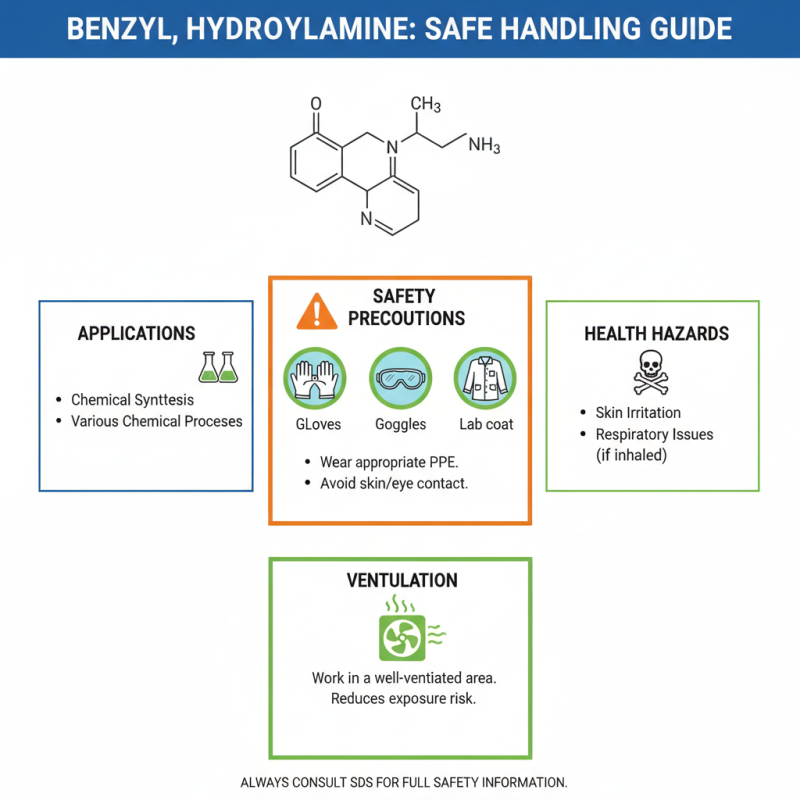
O Benzyl Hydroxylamine is a useful compound in various chemical applications. However, safety is paramount when handling this substance. Personal protective equipment (PPE) should always be worn. Gloves, goggles, and lab coats are essential. The chemical can cause skin irritation and respiratory problems if inhaled. Working in a well-ventilated area reduces exposure risk.
When storing O Benzyl Hydroxylamine, keep it in a cool, dry place. Labeling containers accurately is crucial. Mislabeling can lead to accidents. Always use secondary containment to prevent spills. In case of contact with skin or eyes, rinse immediately with plenty of water. Consult the safety data sheet for first-aid measures specific to this compound.
Tips: Always double-check your PPE. A small mistake can lead to big consequences. Be aware of your surroundings. Ensure that safety equipment is nearby. This vigilance helps create a safer working environment. Remember, safety should never be an afterthought when working with chemicals.