Best Uses of O Phthalic Anhydride for Industry Applications?
O Phthalic Anhydride is a versatile chemical used across various industries. Its applications span from the manufacturing of plastics to the production of synthetic resins. The unique properties of O Phthalic Anhydride make it essential in the creation of durable materials.
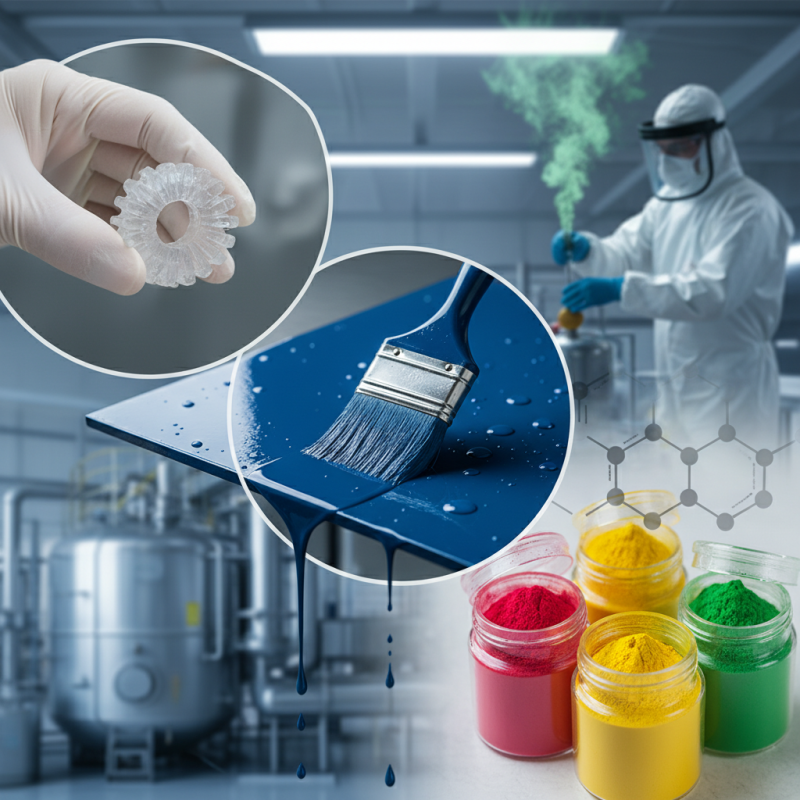
In the paint and coatings industry, O Phthalic Anhydride serves as a key ingredient. It enhances the performance and durability of the final product. For example, coatings created with this compound often exhibit better weather resistance. As a result, they are more reliable in harsh environments.
Moreover, O Phthalic Anhydride plays a significant role in the production of dyes and pigments. Its ability to act as a building block contributes to vibrant color creation. However, companies must reflect on potential hazards associated with its use. Safety should be a priority in all applications. Understanding the risks involved can lead to better practices and improved outcomes in production processes.
Overview of O Phthalic Anhydride and Its Chemical Properties
O phthalic anhydride is an important chemical compound used in various industries. It appears as a crystalline solid and is soluble in several organic solvents. The chemical formula is C8H4O3, reflecting its structure. Understanding its properties helps in leveraging its potential effectively. It has a high melting point, which makes it stable under various conditions.
This compound is primarily used in creating resins and plasticizers. It is crucial in the production of polyester resins. These resins have a wide range of applications, from automotive parts to everyday household items. The demand for durable materials drives its use. However, there are environmental concerns. Its production can sometimes lead to hazardous waste. This factor requires industries to find better methods and processes.
O phthalic anhydride's reactivity also makes it valuable in synthesis. It can be used to create dyes and pigments. These products are essential in textiles and coatings. Yet, the need for safety measures is essential during its handling. Improper usage can lead to risks. It’s critical for companies to invest in safer technologies.
Industrial Applications of O Phthalic Anhydride in Plastics and Resins
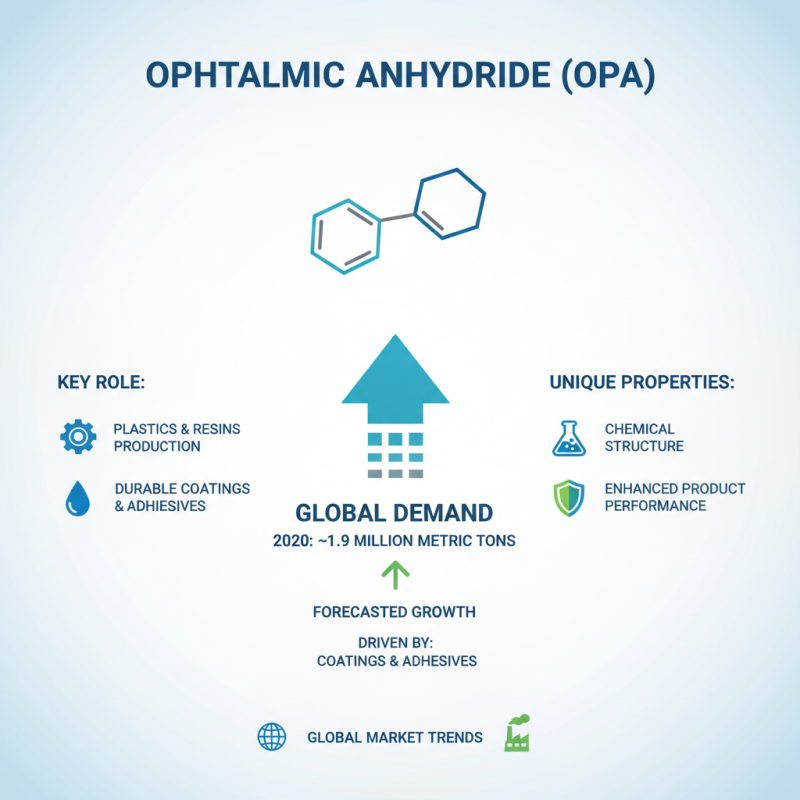
O Phthalic Anhydride (OPA) plays a pivotal role in the production of various plastics and resins. Its unique chemical structure contributes to the performance of many products. In 2020, the global demand for OPA reached approximately 1.9 million metric tons. This number is forecasted to grow steadily, driven mainly by the increasing need for durable coatings and adhesives.
OPA is crucial in manufacturing unsaturated polyester resins (UPRs). These resins are extensively used in automotive parts and marine applications. A report indicated that UPRs account for nearly 45% of the total consumption of phthalic anhydrides. The stability and resistance against chemicals make these materials indispensable in many sectors.
However, challenges exist. The production of OPA can lead to environmental concerns. It is essential to focus on cleaner production methods. Additionally, recycling of OPA-based products remains a critical issue. Only a small fraction of these materials can be effectively reprocessed. As the industry seeks sustainability, exploring alternative feedstocks could be a future direction.
Utilization of O Phthalic Anhydride in Dye and Pigment Manufacturing
O Phthalic Anhydride plays a crucial role in the dye and pigment manufacturing sector. This versatile compound acts as an intermediate, aiding in the formation of various coloring agents. When used in synthetic dyes, it enhances color vibrancy and durability. It binds well with substrates, ensuring a lasting effect. One common application is in the production of phthalate esters, which support intense pigmentation.
In pigment manufacturing, O Phthalic Anhydride finds its way into organic pigments. These pigments often deliver rich colors for paints, inks, and plastics. The compound’s unique chemical properties allow it to create stable color bases. When dealing with high-temperature processes, the reactivity of O Phthalic Anhydride becomes a factor. Manufacturers must manage heat levels carefully to prevent degradation.
Tips: When selecting O Phthalic Anhydride, consider the purity levels required for your application. Impurities can alter the final color output. Always test with small batches to assess compatibility. Document results closely; unexpected outcomes can provide valuable insights. Experimentation is key, but keep track of each variable for future reference.
Role of O Phthalic Anhydride in the Production of Pharmaceuticals
O Phthalic Anhydride plays a crucial role in the production of pharmaceuticals. This compound serves as an intermediate in synthesizing various active pharmaceutical ingredients (APIs). It is used to create important compounds like anthranilic acid and phthalimide. These are vital for developing medication forms such as antibiotics and pain relievers.
In API synthesis, using O Phthalic Anhydride facilitates efficient chemical reactions. It often reacts with amines to form valuable products. However, the process requires careful handling. The reaction conditions must be tightly controlled, or unwanted by-products can arise. This serves as a reminder of the delicate balance in chemical manufacturing.
Tips for optimal results include using high-purity O Phthalic Anhydride to improve yields. Regular equipment maintenance prevents contamination. It’s also essential to monitor temperature and pressure during reactions to ensure consistency. Keeping a detailed lab notebook helps track any anomalies during the process. Staying organized can reduce errors and enhance efficiency.
Environmental Considerations and Safety Measures in O Phthalic Anhydride Use
O Phthalic Anhydride (OPA) is widely used in industries. However, its environmental impact is a critical concern. This compound can emit harmful substances if not handled properly. Workers in manufacturing plants should wear appropriate protective equipment. Safety measures are essential to minimize exposure. Ventilation systems should be installed to ensure a safe working environment.
The disposal of OPA waste needs careful consideration. Improper disposal can lead to soil contamination. This compound is non-biodegradable, posing threats to ecosystems. Treatment facilities must be equipped to handle such materials. Regular inspections can help enforce safety standards. It’s vital for industries to review their practices continually.
Education is key for all employees involved with OPA. Training programs should emphasize the importance of safety. Workers should report any leaks or accidents immediately. It’s a community effort to maintain safety and environmental standards. Striking a balance between use and safety is often challenging. Efforts must focus on reducing risks while maximizing benefits.