What is Phthalic Acid and Its Uses in Global Markets?
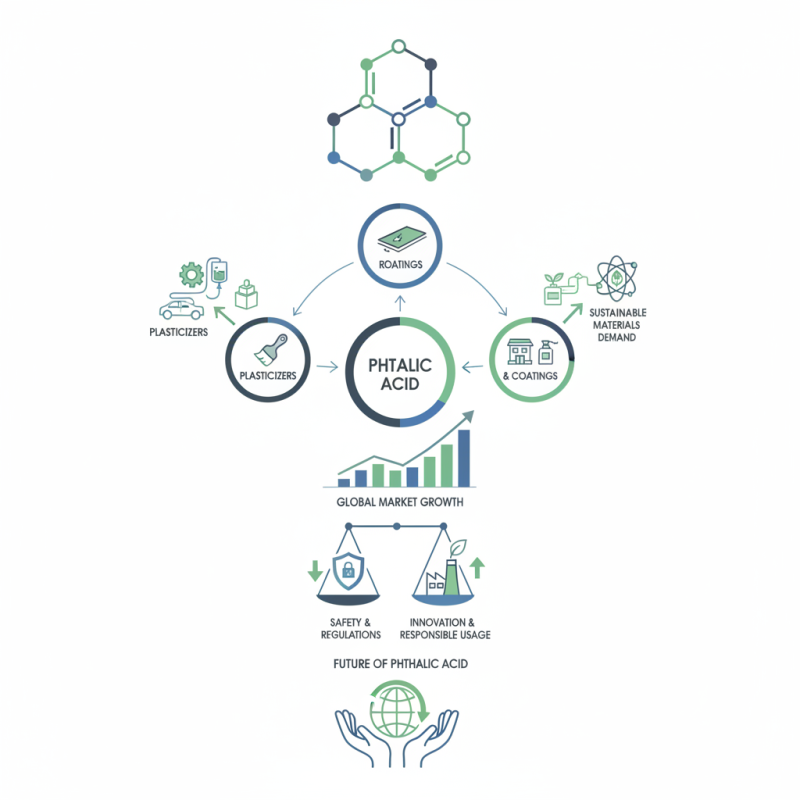
Phthalic Acid is a vital chemical compound found in various industrial applications globally. This colorless, odorless acid plays a significant role in producing plasticizers, resins, and coatings. Renowned expert Dr. Emily Carter, a leading figure in polymer chemistry, states, "Phthalic Acid is essential for enhancing material performance across multiple sectors."
Industries utilize Phthalic Acid for its versatility and reliability. It contributes to making products more flexible and durable. From automotive components to household items, its impact is widespread. The market for Phthalic Acid continues to grow, driven by demand for sustainable materials.
However, there are concerns over safety and environmental effects. Regulations have been tightened due to potential health risks. This raises important questions about the sustainability of Phthalic Acid in future applications. Companies must adapt their practices to ensure compliance and safety. This shifting landscape highlights the need for innovation and responsible usage of Phthalic Acid.
Definition and Chemical Properties of Phthalic Acid
Phthalic acid, a colorless crystalline compound, plays a crucial role in various industrial applications. Its chemical formula is C8H6O4, reflecting its structure as a dicarboxylic acid. The acid is soluble in many organic solvents, making it an effective agent in productions. It is primarily used in the manufacturing of plasticizers, resins, and dyes. In 2021, the global phthalic acid market was valued at approximately USD 6 billion and is projected to grow significantly by 2028, driven by its applications in plastics and automobile industries.
Tips: When working with phthalic acid, always ensure proper protective equipment is used. Safety data sheets can provide vital information on handling and storage.
Phthalic acid's properties, such as its melting point of around 132 °C and boiling point of 295 °C, allow it to be stable under various conditions. Yet, its long-term effects on health and the environment raise concerns. A 2020 report highlighted potential risks associated with phthalates, leading to increased regulatory scrutiny. Manufacturers face challenges in balancing performance with safety.
Tips: Always stay updated on regulations surrounding chemical products. Awareness can help mitigate risks in production environments.
Historical Development and Discovery of Phthalic Acid
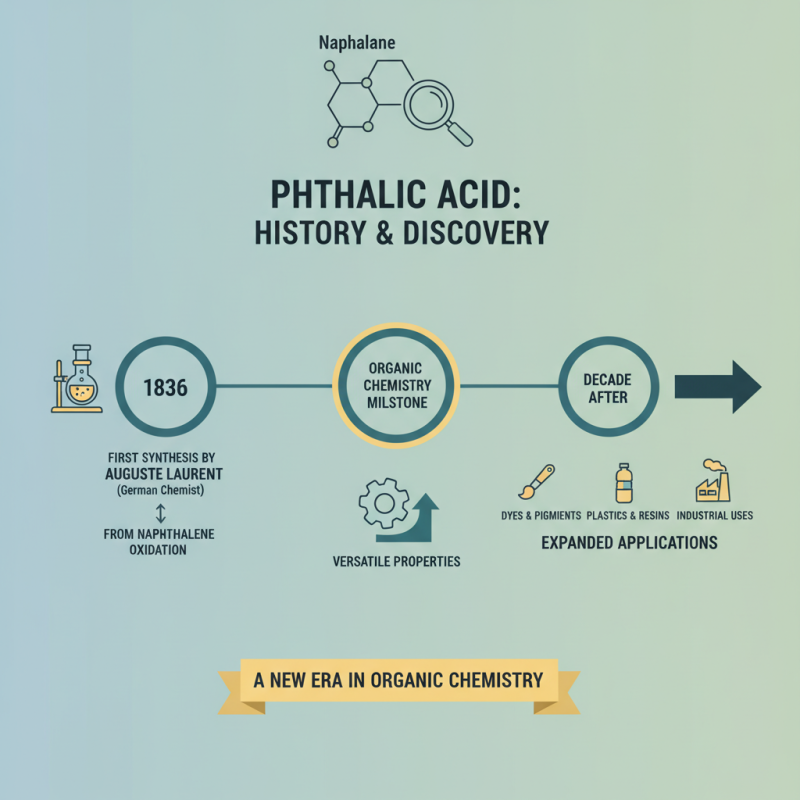
Phthalic acid was first synthesized in 1836 by the German chemist Auguste Laurent. It emerged from the oxidation of naphthalene. The process was groundbreaking, marking the beginning of a new era in organic chemistry. This compound quickly caught the attention of researchers due to its versatile properties. In the following decades, its applications expanded significantly.
By the early 20th century, phthalic acid was recognized for its potential in dye, resin, and plastic production. Its derivatives found their way into various industries, including textiles and coatings. However, the environmental impact raised concerns. Many users questioned its safety and ecological effects. Ongoing research aimed at understanding these implications has proved valuable yet complex.
Over time, regulatory measures have evolved around the use of phthalic acid. The balance between industrial demand and safety standards often feels precarious. While innovation drives applications further, challenges arise in health and environmental arenas. Striving for sustainable practices remains essential as phthalic acid continues to play a significant role in global markets.
Major Applications of Phthalic Acid in Various Industries
Phthalic acid is a versatile compound widely used across various industries. One of its primary applications is in the production of plasticizers, which enhance the flexibility and durability of plastics. In 2021, the global market for plasticizers was estimated to reach $17 billion. Phthalic acid, particularly in the form of dioctyl phthalate (DOP), dominates this market. Its role in flexibility remains essential, but environmental concerns are stirring discussions about safer alternatives.
Another significant use of phthalic acid is in the manufacturing of unsaturated polyester resins. Data from industry reports indicate that these resins are key components in the automotive and construction sectors. The demand for these resins is projected to grow at a rate of 5.7% through the next five years. However, this growth may put pressure on phthalic acid supplies, leading many manufacturers to seek sustainable production methods.
Phthalic acid is also found in the production of dyes and pigments. This application is crucial as it offers vivid colors and stability in various products. Yet, reliance on phthalic acid also raises concerns about toxicity and the need for regulatory compliance. The conversation around these impacts is growing, prompting industries to reconsider their material choices. Balancing performance with safety will be a significant challenge ahead.
Phthalic Acid Applications in Global Markets
Global Market Trends and Economic Impact of Phthalic Acid
Phthalic acid is a versatile chemical used in various industries. Its primary role is in producing plasticizers, which enhance the flexibility of plastics. With the increasing demand for eco-friendly alternatives, the phthalic acid market is evolving globally. Regions like Asia-Pacific dominate production, driven by booming manufacturing sectors.
Economic trends depict a rising interest in sustainable materials. Many companies are investing in greener production methods. This shift could reshape the marketplace. However, reliance on phthalic acid has its challenges. Environmental concerns about its effects on health necessitate careful evaluation.
Tips: Always stay updated on market trends. Understanding local regulations is crucial for compliance. Collaborating with experts can provide valuable insights for businesses seeking sustainable changes. The journey towards sustainable practices is complex and requires continual assessment.
Environmental and Health Considerations Related to Phthalic Acid Usage
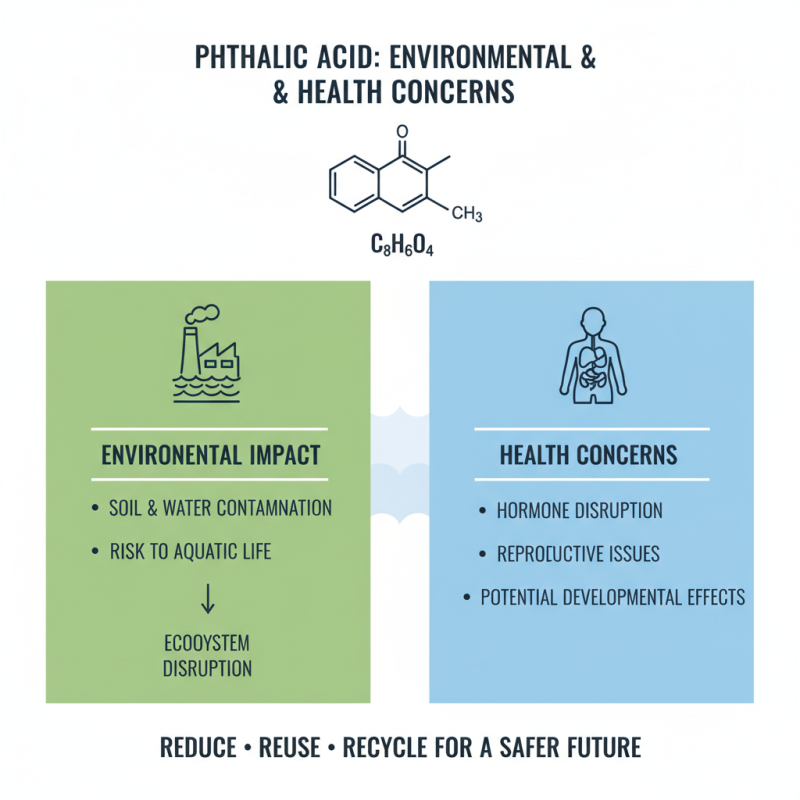
Phthalic acid, a chemical compound widely used in various industries, raises important environmental and health concerns. Its production and use can lead to environmental contamination. Phthalates, derived from phthalic acid, can leach into soil and water. This poses risks to aquatic life and disrupts ecosystems.
Employers and manufacturers must assess their usage practices. Knowing the potential dangers can promote safer alternatives. Regulations are tightening around phthalate use, pushing industries to find less harmful substitutes. This shift encourages a deeper understanding of chemical safety.
Tips: Always explore eco-friendly options in production. Evaluate material safety data sheets thoroughly. Engage in community efforts to clean up contaminated areas. Awareness can lead to meaningful changes and improved health outcomes. Recognizing the limitations of current practices is crucial for future sustainability.