How to Source Phthalic Acid for Global Procurement Needs?
In the global market, sourcing Phthalic Acid effectively is crucial for numerous industries. Dr. Emily Chen, a leading expert in chemical procurement, emphasizes, “Understanding your supply chain is key to securing quality phthalic acid.” Her insights underline the significance of strategic sourcing in maintaining production efficiency.
Phthalic Acid is essential for manufacturing plastics and dyes. However, the process of sourcing it can be complex. Factors include market fluctuations, supplier reliability, and regulatory compliance. Companies must navigate these challenges while ensuring quality and cost-effectiveness.
Moreover, finding trustworthy suppliers requires thorough market research. Discrepancies in quality can lead to serious production issues. Many firms underestimate this aspect, leading to costly errors. It’s important to reflect on sourcing strategies regularly. Adapting to market changes and supplier feedback can enhance procurement processes. Balancing risk and quality is vital when dealing with phthalic acid suppliers.

Overview of Phthalic Acid and Its Applications in Industry
Phthalic acid is a vital chemical in various industries. It serves as a key ingredient for producing plasticizers, resins, and dyes. In 2021, the global phthalic acid market was valued at approximately $5.2 billion and is projected to grow at a CAGR of 5.1% through 2028. This growth is driven by the increasing demand for phthalate esters in plastics and coatings.
In the coatings sector, phthalic acid enhances film-forming properties, ensuring durability and resistance to degradation. In the production of unsaturated polyester resins, it helps improve mechanical strength and thermal stability. Industries ranging from automotive to construction rely on these benefits. However, sourcing phthalic acid can pose challenges, especially with fluctuating raw material prices and regulatory scrutiny.
Tips: When sourcing phthalic acid, prioritize suppliers with a track record of compliance and sustainability. Verify their certifications and engage in discussions about their environmental policies. Also, consider the long-term availability of materials to avoid price volatility.
Companies also face shifting regulations. Compliance with environmental standards can affect sourcing strategies. Keeping abreast of changes can mitigate risks. Evaluate your supply chain regularly; reassess potential suppliers who may not align with evolving industry standards. This proactive approach helps maintain operational efficiency.
Identifying Major Suppliers and Manufacturers of Phthalic Acid
When sourcing phthalic acid, identifying reliable suppliers and manufacturers is crucial. Major producers often have extensive networks, which can simplify procurement. Numerous companies specialize in the production of phthalic acid globally. Many of these manufacturers are located in regions rich in chemical production. Understanding their capabilities helps in making informed decisions.
Price variability is common in this market. Factors like production scale and geographic location play significant roles. Evaluating suppliers based on their transparency in pricing can lead to better cost management. Assessing product quality is equally important. A supplier’s track record and industry reputation can indicate their reliability. However, sourcing from multiple suppliers might introduce complexities.
Networking with industry contacts can provide insights into the best suppliers. Trade shows and industry conferences often highlight emerging players. Utilizing online platforms to compare suppliers can also be beneficial. Nevertheless, due diligence is essential. Checking customer feedback and conducting site visits can reveal potential risks. This process is not always straightforward but often leads to more secure procurement strategies.
Assessing Quality Standards and Specifications for Phthalic Acid
When sourcing phthalic acid, understanding quality standards is essential. Different industries require varying purity levels and specifications. For instance, the manufacturing of plastics often demands high purity phthalic acid. Low impurities can enhance product performance significantly.
Testing methods are crucial in assessing quality. Common techniques include gas chromatography and high-performance liquid chromatography. These methods ensure that the phthalic acid meets required chemical properties and impurity levels. Reliable suppliers will provide certificates of analysis to verify their products.
However, not all suppliers maintain stringent quality controls. Some may overlook necessary testing, leading to inconsistencies. Make it a priority to choose suppliers with a history of quality assurance. Engage in discussions about their testing protocols and ask for specific data. Finding a reputable partner can ensure the quality you need. Reliable sourcing also includes understanding regulatory compliance. Knowledge of regulations in different markets can prevent costly mistakes.
How to Source Phthalic Acid for Global Procurement Needs? - Assessing Quality Standards and Specifications for Phthalic Acid
| Specification |
Standard Value |
Testing Method |
Quality Grade |
Common Applications |
| Purity |
≥ 99% |
HPLC |
Pharmaceutical Grade |
Active Pharmaceutical Ingredients |
| Color |
APHA ≤ 50 |
Colorimetry |
Technical Grade |
Plasticizers and Resins |
| Free Acid |
≤ 0.5% |
Titration |
Industrial Grade |
Dyes and Pigments |
| Water Content |
≤ 0.2% |
Karl Fischer Titration |
High Purity |
Chemical Synthesis |
Evaluating Cost Factors and Pricing Trends for Global Procurement
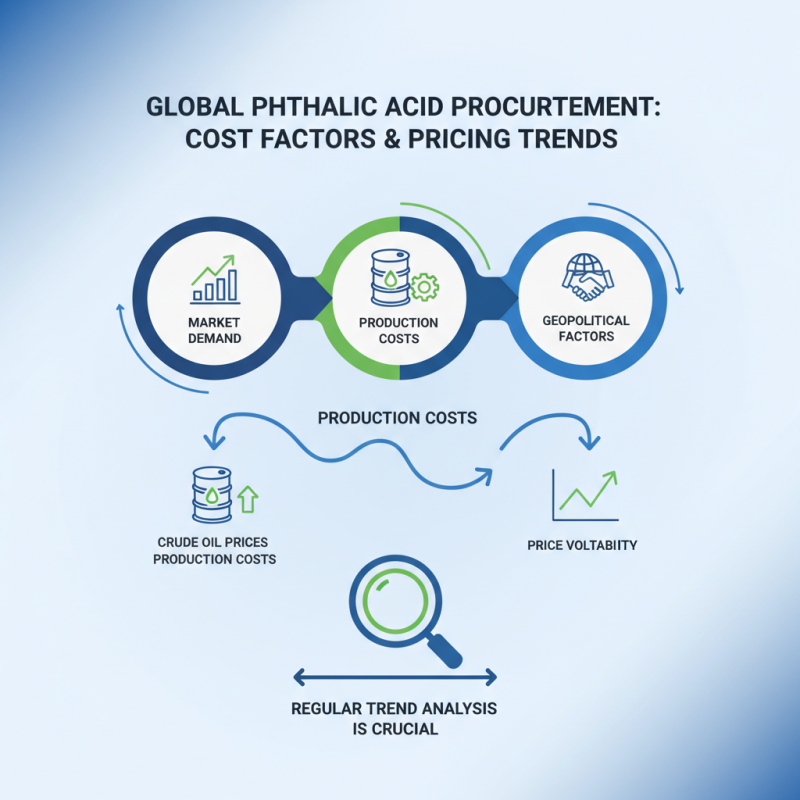
When sourcing phthalic acid for global procurement, understanding cost factors is essential. Prices can vary widely based on several variables. Market demand, production costs, and geopolitical factors all play a role. For instance, fluctuations in crude oil prices can impact production costs of phthalic acid. Thus, it's crucial to analyze these trends regularly.
Evaluating pricing trends requires ongoing market research. Engaging with industry reports and attending relevant conferences can provide valuable insights. It’s also important to maintain relationships with suppliers to understand their pricing strategies. However, there may be inconsistencies. Some suppliers might provide quotes that do not reflect current market conditions. This variability can lead to confusion and requires careful management.
Another consideration is currency fluctuations. Global procurement often means dealing with multiple currencies. Exchange rates can significantly affect pricing. If sourcing from different regions, it is wise to monitor these changes closely. Misjudgments in currency trends can lead to significant overspending. In this complex landscape, continuous learning and adaptation are vital for effective procurement decisions.
Strategies for Successful Negotiation and Contract Management
Negotiating contracts for phthalic acid procurement requires a deep understanding of market dynamics. Research potential suppliers thoroughly. Look for those who specialize in chemical products. Building relationships is crucial. Take time to visit suppliers, if possible. Face-to-face meetings can build trust and facilitate collaboration.
Effective communication is key during negotiations. Be clear about your needs and expectations. Listen actively to the supplier's concerns. This approach fosters a cooperative atmosphere. It is important to discuss pricing, delivery timelines, and quality standards upfront. Transparency in these areas can prevent misunderstandings later on.
After reaching an agreement, pay attention to contract management. Document everything meticulously. Involve legal experts to review key clauses. This minimizes risks significantly. Reflect on the negotiation process. What went well? What could be improved? Learning from each experience enhances future procurement efforts.
Phthalic Acid Procurement Trends