Understanding the impact of chemicals on human health is crucial in today’s world, where exposure to various substances is almost unavoidable. One such compound that has gained attention in recent years is Diheptyl Phthalate, a member of the phthalate family commonly used in the production of flexible plastics and other consumer products. As scientific research continues to uncover the potential health implications of exposure to phthalates, it becomes increasingly important to equip ourselves with knowledge regarding Diheptyl Phthalate, particularly as it relates to health and safety.
In this article, we will explore the top ten tips for understanding Diheptyl Phthalate, focusing on its sources, biological effects, and ways to minimize exposure. By delving into the characteristics of this chemical, we aim to raise awareness about its prevalence in our environment and its possible impact on human health. Consumers and professionals alike will benefit from a deeper comprehension of Diheptyl Phthalate, empowering them to make informed decisions in their daily lives and promoting a healthier environment for future generations.
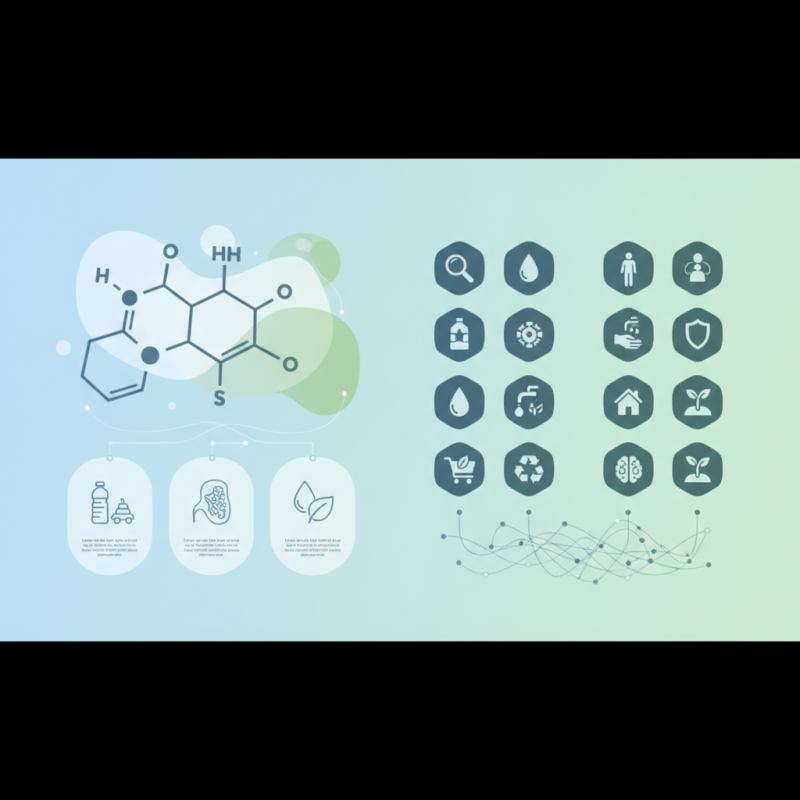
Diheptyl phthalate (DHP) is an ester derived from phthalic acid and heptanol, which belongs to a family of compounds known as phthalates. Its chemical structure consists of a phthalate backbone with a heptyl chain, leading to unique properties that make it a focus of research in various fields. The presence of two alkyl chains in DHP enhances its solubility and stability, which are essential for its applications in numerous industrial products, from plasticizers to solvents.
Understanding the properties of diheptyl phthalate is crucial for assessing its potential health effects. The compound exhibits a relatively low volatility, contributing to its prolonged presence in the environment and potential bioaccumulation. Additionally, studies indicate that DHP may interact with biological systems, raising concerns about its implications for human health. Recognizing these attributes helps researchers evaluate the safety of DHP in consumer products and its implications for regulatory standards. The intricate balance of DHP’s chemical behavior and its environmental interactions underscores the importance of ongoing research in understanding its overall impact on health and safety.
| Tip Number | Tip Description | Health Impact | Chemical Structure |
|---|---|---|---|
| 1 | Learn about the uses of Diheptyl Phthalate in products. | Potential endocrine disruptor. | C19H30O4 |
| 2 | Understand the synthesis process of Diheptyl Phthalate. | Risk of chemical exposure during production. | Ester of phthalic acid. |
| 3 | Be aware of regulations concerning phthalates. | Regulatory concerns for human health. | Phthalate functional group (Ar-COO-R). |
| 4 | Identify products that may contain Diheptyl Phthalate. | Skin exposure risks from personal care products. | Long-chain alkyl groups. |
| 5 | Review toxicity studies related to Diheptyl Phthalate. | Potential reproductive effects. | Complex ester structure. |
| 6 | Understand routes of exposure (oral, dermal, inhalation). | Multiple pathways for absorption. | Various alkyl lengths influence properties. |
| 7 | Consult safety data sheets (SDS) for detailed information. | Access to handling information to minimize risks. | Composed of aromatic and aliphatic components. |
| 8 | Explore alternatives to Diheptyl Phthalate. | Reduce exposure to harmful chemicals. | Consider safer plasticizers. |
| 9 | Stay updated on research findings regarding phthalates. | Ongoing studies may change risk assessments. | Structure influences biological activity. |
| 10 | Advocate for transparent labeling of products. | Promotes informed consumer choices. | Understanding chemical identity is key. |
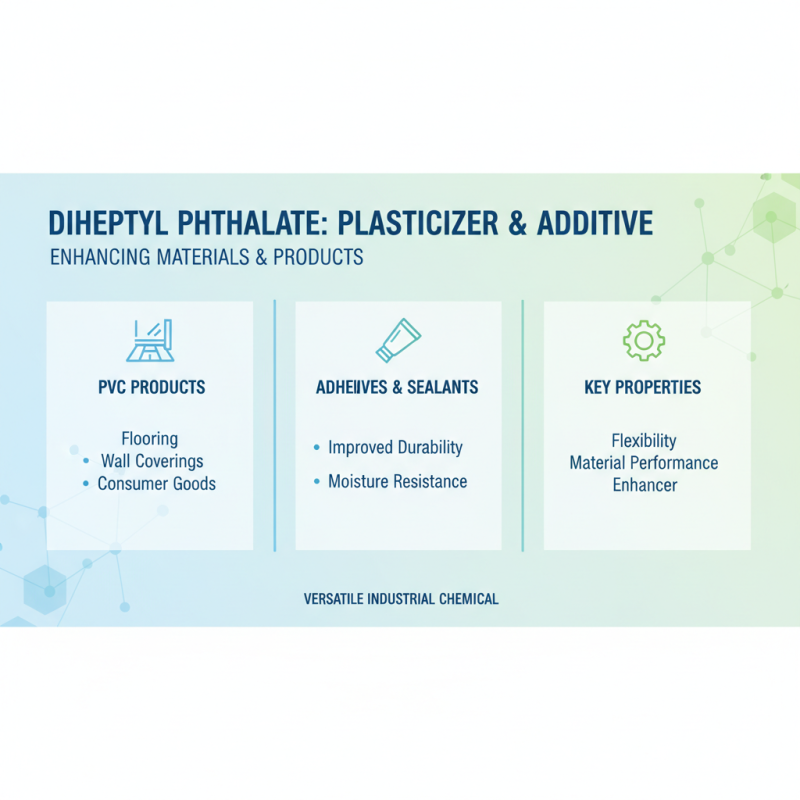
Diheptyl phthalate, a chemical compound belonging to the phthalate family, is primarily used as a plasticizer in various industries. Its flexibility and ability to enhance the performance of materials make it a valuable additive in the production of polyvinyl chloride (PVC) products. This makes it commonplace in items such as flooring, wall coverings, and a wide range of consumer goods. In addition to PVC, diheptyl phthalate is also employed in the formulation of adhesives and sealants, contributing to improved durability and resistance to moisture.
Apart from its industrial uses, diheptyl phthalate finds applications in personal care products, such as cosmetics and fragrances. Its properties allow it to blend well with other ingredients, providing a desirable texture and stability. Additionally, it serves as a solvent, improving the dispersion of active ingredients in formulations. However, due to growing consumer awareness and regulations regarding phthalates, the presence of diheptyl phthalate in products is being closely monitored, leading to changes in manufacturing practices within the industry.
Diheptyl phthalate (DHP) is a chemical compound often used as a plasticizer in various consumer products. While it enhances flexibility and durability, concerns are growing regarding its potential health effects. Exposure to DHP has been linked to endocrine disruption, which can lead to reproductive issues and altered hormone levels. Understanding these risks is crucial for individuals who may come into contact with DHP, whether through household products or industrial environments.
To minimize exposure to diheptyl phthalate, it’s essential to adopt proactive measures. One important tip is to read labels carefully—if you're purchasing products that may contain phthalates, opt for those marked as phthalate-free. Another useful tip is to ventilate your living spaces regularly; good air circulation can help reduce indoor air concentrations of chemicals, including DHP. Additionally, using natural or organic materials in place of synthetic ones can significantly lower the risk of exposure, particularly in home furnishings and children's toys.
Being informed about the sources and effects of diheptyl phthalate not only helps protect personal health but also contributes to a greater environmental consciousness. As research continues to delve into the long-term impacts of this compound, it’s vital for consumers to stay updated and make informed choices regarding their exposure.
Diheptyl phthalate (DHP) is an ester derived from heptanoic acid and phthalic acid, commonly used as a plasticizer in various industrial applications. As with many chemical compounds, understanding its regulatory standards and safety guidelines is crucial for ensuring public health. The U.S. Environmental Protection Agency (EPA) sets limits for DHP in consumer products, emphasizing that concentrations of phthalates should not exceed 0.1% in toys and childcare articles to minimize exposure risks. Similarly, the European Union's REACH regulation mandates thorough risk assessments for any substance reaching certain tonnage levels, thereby underscoring the importance of safety evaluations prior to market entry.
New insights from research published by the American Chemical Society indicate that prolonged exposure to phthalates, including DHP, may lead to adverse health effects such as endocrine disruption and reproductive toxicity. Studies have shown that specific exposure pathways can increase the accumulation of such compounds in human tissues. As a result, regulatory supervision of industrial practices involving DHP is increasingly guided by these findings. Organizations like the World Health Organization (WHO) advocate for regular reviews of safety guidelines to reflect the latest scientific data, enhancing user protection and promoting responsible usage across diverse sectors.
Recent studies on diheptyl phthalate (DHP) have highlighted significant trends that indicate a growing interest in understanding its health implications. Researchers are increasingly focusing on the chemical's metabolic pathways and its potential endocrine-disrupting properties. With the rise in use of phthalates in consumer products, assessing the long-term health effects of exposure is becoming a priority. Current research is examining the mechanisms by which DHP interacts with biological systems, particularly its impact on hormonal balance and reproductive health.
Looking ahead, future directions in DHP research are likely to emphasize the development of biomarkers for exposure assessment and the establishment of dose-response relationships. Studies are expected to expand into epidemiological investigations that link DHP exposure to specific health outcomes, particularly in vulnerable populations such as pregnant women and children. As regulatory bodies begin to take more action against phthalates, the scientific community is poised to contribute critical data that can inform policy and public health guidelines, ensuring better safety standards for chemical exposure in everyday life.