Top 10 Uses of Diheptyl Phthalate in Industry and Consumer Products?
Diheptyl Phthalate is an important chemical compound widely used in various industries. As a flexible plasticizer, it enhances the properties of materials, making them more adaptable in numerous applications. This compound has attracted attention due to its versatility and effectiveness. Its role spans from automotive manufacturing to consumer goods, meeting specific industry needs.
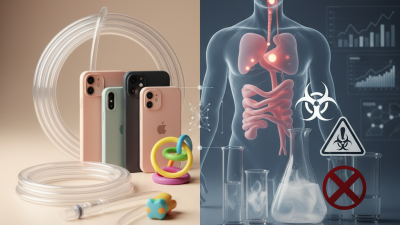
In industries, Diheptyl Phthalate serves multiple purposes. It improves durability, flexibility, and longevity in products that require resilience under different conditions. In consumer products, its presence can be seen in everyday items like adhesives and paints. However, awareness regarding its safety and environmental impact is important. Each application should consider potential drawbacks.
Despite the benefits, Diheptyl Phthalate is not without concerns. Questions about its eco-friendliness and health implications emerge. Industries must practice transparency and research to address these issues. By examining the effective uses and potential risks, we can develop a more sustainable approach to this versatile compound.

Overview of Diheptyl Phthalate and Its Properties
Diheptyl Phthalate (DHP) is an interesting compound with diverse applications. As a plasticizer, it enhances the flexibility of polymers. According to a 2022 market report, the demand for plasticizers, including DHP, continues to grow, particularly in the construction and automotive industries. DHP is particularly effective in low-temperature applications, maintaining performance in colder climates. This property makes it valuable for products like flexible tubing and seals.
Chemical studies reveal that DHP has a lower volatility compared to other phthalates. This reduces the likelihood of harmful emissions into the environment. However, there are still concerns regarding its long-term effects on human health and ecosystems. Comprehensive studies are ongoing, reflecting the industry's awareness of safety issues. The European Chemicals Agency noted a trend towards safer alternatives, driving innovation while keeping DHP relevant.
Furthermore, the versatility of DHP extends to consumer products like adhesives and coatings. Its unique balance of durability and flexibility draws manufacturers looking for reliable solutions. Bright colors and smooth textures in products often stem from the use of DHP. Yet, the challenge remains. Companies must ensure that diverse applications don't compromise safety standards. Addressing these concerns is essential for maintaining reliability and trust within the industry.
Industrial Applications of Diheptyl Phthalate
Diheptyl Phthalate (DHP) plays a significant role in various industrial applications. This compound is mainly used as a plasticizer, enhancing flexibility and durability in plastics. Reports indicate that the global plasticizers market was valued at approximately $16.9 billion in 2022, with DHP contributing to this growth. Its effectiveness in improving the processing characteristics of polymers makes it a valued choice in manufacturing.
DHP also serves in the production of adhesives and sealants. It improves adhesion and contributes to long-lasting bonds. Professionals often choose DHP because it reduces brittleness, especially in outdoor applications. The construction sector particularly benefits from its properties, ensuring that structural materials endure changing environmental conditions.
Tips: When using products containing DHP, consider proper ventilation. This will minimize inhalation exposure, particularly in indoor settings. Always check safety data sheets for handling instructions.
Despite its advantages, the long-term environmental impact of DHP remains a topic for discussion. Some studies suggest potential
bioaccumulation, leading to increased scrutiny. The industry must focus on balancing performance and sustainability.
Reducing reliance on substances like DHP could be a pathway toward safer environmental practices.
Consumer Products Utilizing Diheptyl Phthalate
Diheptyl phthalate (DHP) is increasingly utilized in consumer products. This plasticizer enhances flexibility and durability in various applications. It's often found in everyday items like floor tiles, adhesives, and coatings. These materials benefit from DHP's ability to improve performance while maintaining safety standards.
In cosmetics, DHP can be an effective ingredient in formulations. It serves to improve product texture and application. Users appreciate the silky feel that DHP imparts to lotions and creams. However, there is ongoing debate about its long-term safety. Some studies suggest potential issues, prompting consumers to question its presence in products.
Further, DHP is present in children's toys and household items. Parents seek products that are both safe and enjoyable for their kids. While DHP can enhance a toy's durability, parents are urged to stay informed. Understanding the implications of using such substances is vital in making informed choices. Transparency from manufacturers about ingredients is essential for consumer trust.
Safety and Environmental Impact of Diheptyl Phthalate
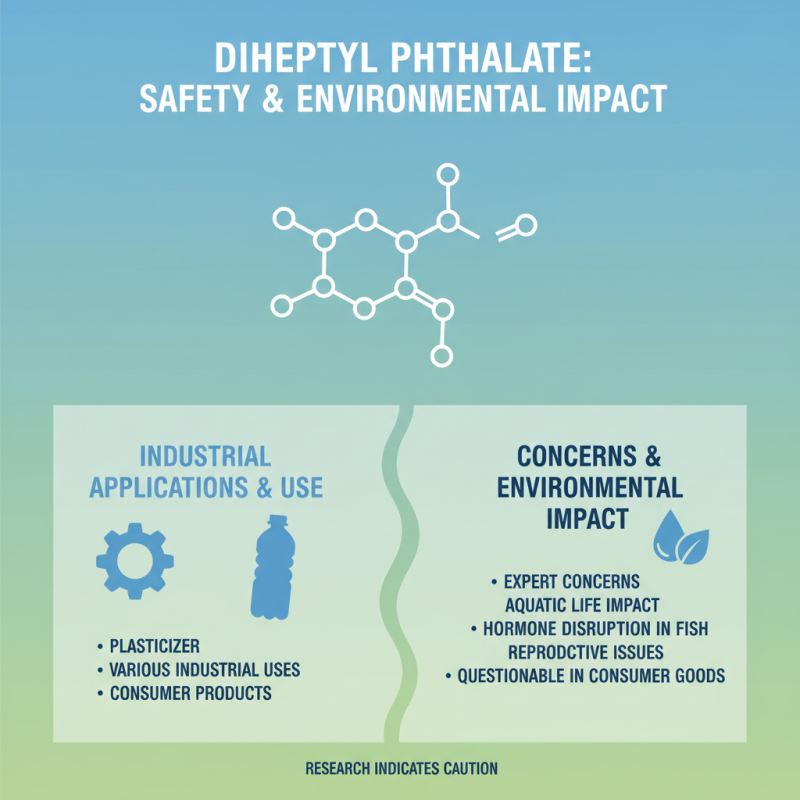
Diheptyl phthalate is often used in various industrial applications. Its role as a plasticizer is notable. However, its safety and environmental impact have raised concerns among experts. Research indicates that diheptyl phthalate can affect aquatic life. Small doses can disrupt hormonal systems in fish, leading to reproductive issues. This raises questions about its use, especially in consumer products.
Many industrial processes involve diheptyl phthalate. It's commonly found in adhesives and coatings. Some manufacturers argue that it enhances product flexibility and longevity. Yet, the long-term effects of exposure are still unclear. Environmentalists urge caution, emphasizing the need for stringent regulations. While this compound may improve certain products, the potential health risks cannot be ignored.
There are ongoing studies examining the risks of diheptyl phthalate. Some findings suggest it can accumulate in the environment, particularly in soil and water. This accumulation may affect wildlife and even human health over time. The debate continues on balancing its benefits against the possible dangers. More research is necessary to fully understand its impact on our planet.
Future Trends in the Use of Diheptyl Phthalate in Various Industries
Diheptyl phthalate is gaining traction in various industries due to its versatile applications. This chemical compound, known for its unique properties, is being increasingly utilized in plastic manufacturing, cosmetics, and even agricultural products. The trend towards eco-friendliness is pushing manufacturers to explore alternative plasticizers, enhancing the sustainability index of diheptyl phthalate.
In the cosmetic industry, diheptyl phthalate serves as an emulsifier and skin conditioning agent. It helps improve product texture. However, manufacturers are cautious. Some studies indicate a lack of extensive long-term data on its safety. This uncertainty prompts an ongoing evaluation of its use, urging companies to invest in research.
Tips: When considering diheptyl phthalate, always check for the latest research. Understanding its chemical behavior can aid in better decision-making. A transparent approach to ingredient sourcing is vital in consumer products. This builds trust in brands and ensures consumer safety.
Future trends indicate a shift towards bio-based alternatives. The push for sustainable options will likely redefine the role of diheptyl phthalate. Companies may need to align their practices with evolving regulations and consumer preferences. This evolving landscape will create both challenges and opportunities for many industries.