Top 10 Uses of N Hydroxyphthalimide in Global Markets?
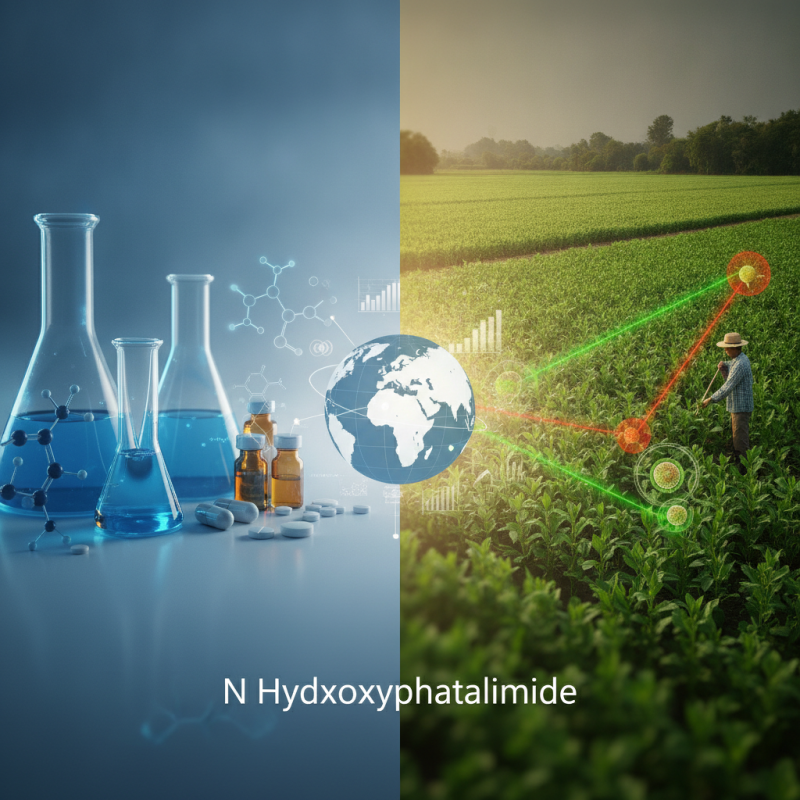
N Hydroxyphthalimide is gaining attention in various global markets. Its unique properties make it a valuable compound in numerous applications. Industries ranging from pharmaceuticals to agriculture are exploring its potential.
In the pharmaceutical field, N Hydroxyphthalimide acts as a key intermediate in drug synthesis. This ability can significantly enhance drug development processes, leading to more effective treatments. In agriculture, it plays a role in developing pesticides and fungicides. These products help in maintaining crop health and improving yields.
Despite its advantages, challenges exist. The sourcing of N Hydroxyphthalimide needs careful consideration. Market fluctuations can impact availability. While its prospects seem promising, continuous research and ethical sourcing are vital. Understanding these dynamics ensures the responsible use of N Hydroxyphthalimide across sectors.
Overview of N Hydroxyphthalimide and Its Market Significance
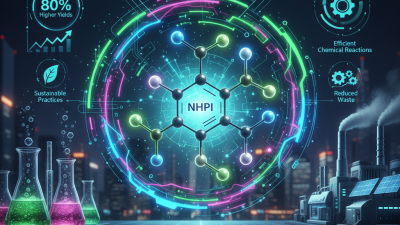
N Hydroxyphthalimide (NHPI) stands out in various industrial applications due to its chemical properties. This compound serves as a critical intermediate in organic synthesis. It plays a vital role in the production of polymers and resins. Researchers recognize its significance in enhancing catalytic processes, boosting efficiency and reducing waste. Such characteristics attract industries focused on sustainable practices.
In the realm of global markets, NHPI demonstrates versatility across multiple sectors. It is often utilized in pharmaceuticals for drug development. Moreover, the compound finds applications in electronics and coatings, showing promise in enhancing material durability. However, the market faces challenges, such as fluctuating raw material costs. These uncertainties create a volatile environment for NHPI suppliers and manufacturers.
Transitioning to greener processes is a priority for many companies. NHPI's role in promoting sustainable practices is commendable. Yet, its availability can be limited. This situation raises questions about accessibility and affordability for global industries. Organizations need to reflect on their reliance on such substances and consider alternative solutions. The path forward involves balancing innovation with responsible sourcing of chemical compounds like NHPI.
Pharmaceutical Applications of N Hydroxyphthalimide in Drug Development
N Hydroxyphthalimide has gained considerable attention in pharmaceutical research. It plays a crucial role in drug development processes. Scientists use this compound for various applications that enhance drug formulation and delivery.
One key feature of N Hydroxyphthalimide is its effectiveness in stabilizing certain active pharmaceutical ingredients. This stability can lead to improved efficacy and shelf life of medications. Additionally, it aids in the solubility of poorly water-soluble drugs. Researchers appreciate these properties as they strive to create more effective therapies.
Tips for researchers: Always consider the compatibility of N Hydroxyphthalimide with other excipients. Conduct stability tests during formulation development. Understanding these interactions is essential for successful outcomes.
Another notable application is its use in prodrug formulations. N Hydroxyphthalimide can enhance bioavailability. This is particularly beneficial for drugs that need better absorption rates. Researchers often need to refine their approaches when utilizing this compound, as results can vary.
Understanding the pharmacokinetics of N Hydroxyphthalimide is vital. Variability in patient responses poses challenges in drug formulation. Ongoing research is necessary to fully harness its potential in pharmaceutical applications.
Top 10 Uses of N Hydroxyphthalimide in Global Markets
Industrial Uses of N Hydroxyphthalimide in Synthesis and Manufacturing
N Hydroxyphthalimide (NHPI) serves as a versatile compound in various industrial applications. Its role in synthesis and manufacturing is noteworthy. For instance, NHPI acts as a key agent in oxidation reactions. This is particularly valuable in the production of fine chemicals and pharmaceuticals. Moreover, its efficiency can lead to reduced energy consumption, which is essential for sustainable practices.
Another key application of NHPI is in polymer chemistry. It functions as a stabilizer, enhancing the properties of polymers. This promotes durability and resistance to environmental factors. Industries rely on NHPI for developing high-performance materials. However, challenges exist in its handling and processing. Workplace safety remains a concern, necessitating strict adherence to guidelines.
NHPI is also involved in the production of coatings and adhesives. Its chemical properties contribute to improved adhesion and film formation. These products are crucial in construction and automotive industries. Yet, the long-term environmental impact of NHPI-based products is still under examination. The scientific community continues to explore better alternatives and methods to minimize potential risks.
Top 10 Uses of N Hydroxyphthalimide in Global Markets
| Use Case |
Industry |
Description |
Market Demand (Tons/Year) |
| Polymerization Catalyst |
Plastics |
Used to accelerate the polymerization process in the production of plastics. |
5000 |
| Intermediates in Synthesis |
Chemical Manufacturing |
Serves as an intermediate in various chemical synthesis processes. |
3000 |
| Pharmaceuticals Production |
Pharmaceuticals |
Catalyst in the synthesis of several active pharmaceutical ingredients. |
2000 |
| Textile Dyeing Agent |
Textiles |
Used in dyeing processes to improve color retention and vibrance. |
1500 |
| Adhesive Formulation |
Construction |
Act as a binder in adhesive formulations to enhance performance. |
2500 |
| Coating Additive |
Coatings |
Improves gloss and adhesion properties in surface coatings. |
1800 |
| Electronics Manufacturing |
Electronics |
Used in the production of electronic components to enhance durability. |
1200 |
| Agricultural Chemicals |
Agriculture |
Used in the formulation of herbicides and pesticides. |
1600 |
| Food Packaging |
Food Industry |
Enhances barrier properties of food packaging materials. |
1100 |
| Solar Cell Manufacturing |
Renewable Energy |
Contributes to efficiency in solar cell production processes. |
900 |
Role of N Hydroxyphthalimide in Agricultural Chemicals and Pesticides
N Hydroxyphthalimide (NHPI) plays a pivotal role in agricultural chemicals and pesticides. Its unique chemical structure allows it to effectively enhance the efficacy of various agricultural formulations. This compound aids in the control of pests, offering a sustainable approach to pest management while minimizing environmental impact. NHPI is utilized as an active ingredient in several pesticide formulations, improving the stability and effectiveness of these products.
When applying NHPI-based pesticides, consider local environmental conditions. Rainfall can dilute the efficacy of agrochemicals. Understanding the specific pests' lifecycle is crucial. Timing your applications can greatly enhance effectiveness. Frequent monitoring is essential to determine the best application strategies.
Farmers and researchers are exploring NHPI's potential beyond traditional uses. Utilizing NHPI in crop protection may lead to innovative solutions. However, more studies are necessary. It’s key to evaluate the long-term impacts on soil health and non-target organisms. Balancing agricultural productivity with ecological sustainability remains a challenge.