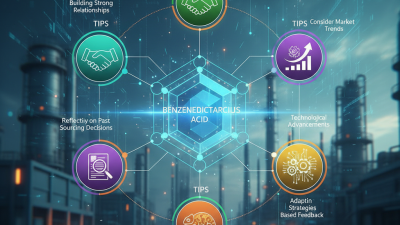
China Best Benzenedicarboxylic Acid Suppliers for Global Buyers?
In recent years, the demand for Benzenedicarboxylic Acid has surged globally. This compound, utilized extensively in the manufacturing of plastics and resins, plays a critical role in various industries. According to a report by Research and Markets, the global Benzenedicarboxylic Acid market is projected to reach USD 1.72 billion by 2025. China's suppliers are emerging as key players in this market. They offer competitive pricing and high-quality products, vital for meeting international standards.
While the supply chain has adapted to fluctuations in demand, challenges remain. Sourcing reliable suppliers can be daunting. Not all manufacturers meet the rigorous quality assessments. A recent survey indicated that 25% of buyers faced issues with inconsistent quality. Global buyers must navigate these complexities to ensure their supply of Benzenedicarboxylic Acid is both reliable and sustainable.
Partnerships with established suppliers in China could provide a strategic advantage. Understanding market trends and regional regulations becomes essential. Buyers should prioritize those suppliers who demonstrate regulatory compliance and transparency in their processes. As the industry evolves, so too must the strategies for sourcing Benzenedicarboxylic Acid.
Overview of Benzenedicarboxylic Acid and Its Applications
Benzenedicarboxylic acid, a key organic compound, plays a crucial role in the chemical industry. This acid serves as a building block for producing various polyesters and plasticizers. Its applications extend to the manufacture of high-performance materials, enhancing durability and resistance.
In the textile industry, benzenedicarboxylic acid is vital for producing fibers and resins. These materials are lightweight, making them ideal for clothing and upholstery. Moreover, their robust nature ensures longevity, catering to consumer demand for sustainable products. The compound is also essential in the automotive sector, where it contributes to safer and more efficient components.
However, sourcing high-quality benzenedicarboxylic acid can be challenging. Buyers must navigate a complex market, ensuring suppliers meet stringent quality and safety standards. Issues such as fluctuating prices and inconsistent quality can arise. Global buyers often need to evaluate potential suppliers' credibility thoroughly. This process requires attention to detail and a clear understanding of market dynamics.
Key Characteristics of Benzenedicarboxylic Acid for Buyers
Benzenedicarboxylic acid, also known as phthalic acid, plays a crucial role in multiple industrial applications. This compound is essential in the production of plasticizers, dyes, and resins. According to a recent report by MarketsandMarkets, the global market size for benzenedicarboxylic acid is projected to reach $10.4 billion by 2027, growing at a rate of 5.3% annually. Such figures highlight its significance in the chemical industry.
For buyers, understanding the key characteristics of benzenedicarboxylic acid is vital. The compound is known for its high thermal stability and low volatility, making it suitable for high-temperature applications. Also, it features good solubility in a variety of solvents, which enhances its usability in diverse formulations. However, potential buyers must consider the environmental impact of production processes. Reports indicate that certain manufacturing methods produce significant emissions, warranting scrutiny.
In the competitive landscape of global suppliers, pricing and quality are critical factors. Buyers often encounter variations in purity levels and production methods. These discrepancies can significantly affect performance in applications. Engaging with reliable suppliers who adhere to stringent quality standards is essential. Evaluating certifications and sustainability practices can guide buyers toward making informed decisions.
Leading Suppliers of Benzenedicarboxylic Acid in China
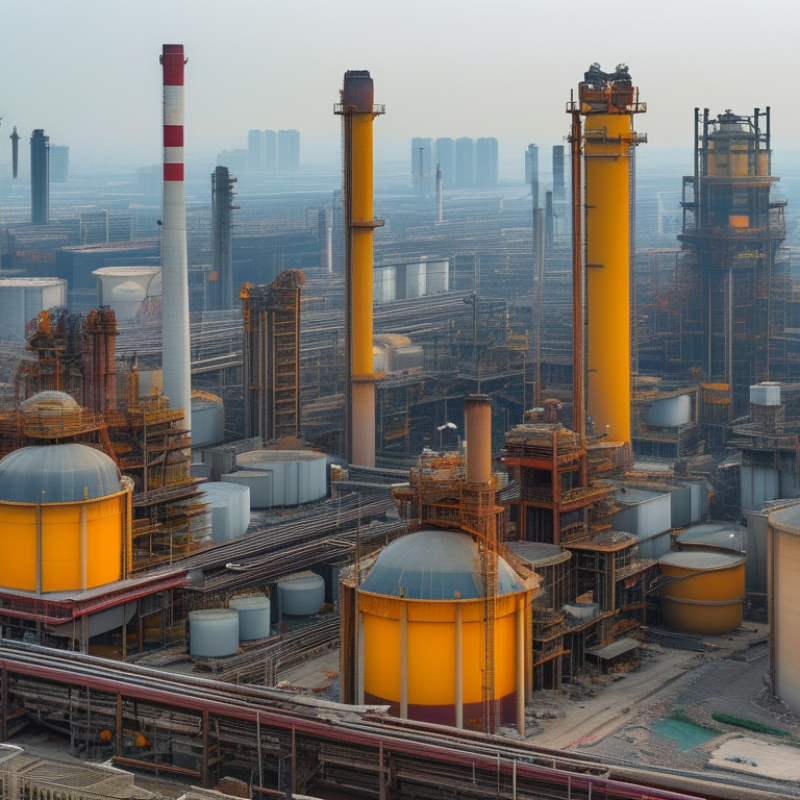
China has emerged as a significant player in the production of benzenedicarboxylic acid. This compound serves various industries, spanning from plastics to pharmaceuticals. Leading suppliers in China leverage advanced manufacturing technologies and maintain high-quality standards, ensuring their products meet global requirements. Many facilities are equipped with modern machinery and employ skilled personnel to optimize production efficiency.
A key aspect of these suppliers is their commitment to sustainability. They often incorporate eco-friendly practices in their operations. However, the rapid growth of this sector also raises questions about consistency in quality and reliability. Buyers should conduct thorough research to identify dependable partners. Connecting directly with manufacturers can uncover valuable insights, providing a clearer picture of their operational standards and ethical practices.
Choosing a supplier is not just about pricing. It's crucial to assess their service levels and responsiveness. Evaluating customer feedback and past performance can yield important information. While many Chinese suppliers excel in production, ensuring that they align with specific needs requires careful consideration and sometimes, trial and error. This is essential for fostering long-term partnerships in the global marketplace.
Global Demand for Benzenedicarboxylic Acid - 2023
Factors to Consider When Selecting a Supplier
When selecting a supplier for benzenedicarboxylic acid, several factors come into play. Quality is paramount. Ensure the supplier follows stringent quality control measures. Look for certifications that affirm their adherence to industry standards. This aspect can greatly impact the reliability of your end product.
Pricing also plays a crucial role. Competitive pricing can help you maintain budget flexibility. However, don’t compromise quality for a lower price. Evaluate the supplier's pricing structure carefully. Unreasonably low prices may indicate subpar materials. Always ask for samples before committing.
Communication is essential too. A responsive supplier can make a difference in your operations. Timely updates on order status and shipping can prevent delays. Establish a clear channel for queries. This can strengthen your relationship and enhance overall efficiency. A reliable supplier will be open to feedback and willing to adapt. Keep these factors in mind while exploring the market for potential suppliers.
Global Demand and Market Trends for Benzenedicarboxylic Acid
The global demand for benzenedicarboxylic acid is witnessing significant growth. According to a recent market report, this compound is projected to experience an annual growth rate of roughly 5% over the next five years. Industries such as automotive and textiles are primarily driving this demand. Companies in these sectors rely on benzenedicarboxylic acid for producing polyesters and other essential materials.
Emerging economies, particularly in Asia, are contributing to market dynamics. In 2022, Asia-Pacific accounted for more than 40% of global consumption. This trend is expected to continue as manufacturers seek cost-effective raw materials. The increasing push towards sustainability also influences this trend. Many manufacturers are looking for eco-friendly alternatives, requiring suppliers to adapt quickly to changing industry standards.
However, challenges remain. Supply chain disruptions and raw material shortages have impacted production schedules. Some manufacturers struggle with fluctuating prices. This creates uncertainty in the market, emphasizing the need for strategic planning. Understanding these trends is crucial for stakeholders aiming to navigate the complexities of the benzenedicarboxylic acid market effectively.
China Best Benzenedicarboxylic Acid Suppliers for Global Buyers
| Supplier Location |
Annual Production Capacity (MT) |
Market Share (%) |
Export Destinations |
Product Grade |
| Jiangsu |
5000 |
20 |
Europe, USA, Asia |
Technical Grade |
| Shandong |
7000 |
15 |
North America, South America |
Food Grade |
| Zhejiang |
6000 |
25 |
Asia, Middle East |
Industrial Grade |
| Henan |
8000 |
10 |
Europe, Asia |
Pharmaceutical Grade |
| Guangdong |
4500 |
30 |
North America, Africa |
Custom Grade |