Leave Your Message

How to Choose the Best China Phthalic Anhydride Supplier?

Choosing the right Phthalic Anhydride supplier affects product quality, production stability, and long-term operating costs. A low quoted price may look attractive, but it can hide inconsistent purity, weak packaging, or delayed shipments. Reliable procurement requires more than comparing online listings.

Experienced buyers usually examine several practical details. They request a recent Certificate of Analysis, Safety Data Sheet, and clear product specifications. Purity, moisture, color, melting range, and impurity limits deserve close attention. Small differences can influence plasticizers, resins, coatings, and other downstream applications. Packaging also matters. Moisture-resistant bags, sealed liners, and dry warehouse conditions can prevent avoidable deterioration.

Ask for evidence.

A dependable supplier should explain its production capacity, quality-control process, batch traceability, and export experience. Factory photographs are useful, but independent audits or verified customer references provide stronger confidence. Confirm lead times, loading practices, payment terms, and support for damaged or rejected cargo. These details often reveal how a supplier behaves after receiving an order.

However, no evaluation method is perfect. A professional-looking document may still require verification. Laboratory testing can identify differences that routine paperwork misses. Supplier performance should be reviewed over time, not judged from one successful shipment. Buyers also need to consider regulatory requirements in the destination market and maintain complete purchasing records.

The best choice is rarely the cheapest option. It is the supplier that combines consistent Phthalic Anhydride quality, transparent communication, practical logistics, and accountable service. Careful comparison reduces risk and supports a more stable manufacturing relationship.
How to Choose the Best China Phthalic Anhydride Supplier?

What Is Phthalic Anhydride and Why Does Supplier Choice Matter?

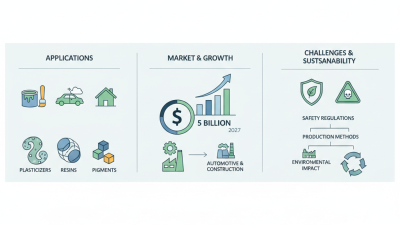
Phthalic anhydride is a white, crystalline intermediate made mainly by oxidizing o-xylene or naphthalene. It supports plasticizers, alkyd resins, coatings, pigments, and polyester applications. Grand View Research estimated the global phthalic anhydride market at about USD 4.4 billion in 2023, with continued growth expected through 2030. Other industry reports publish different figures. That gap deserves attention.

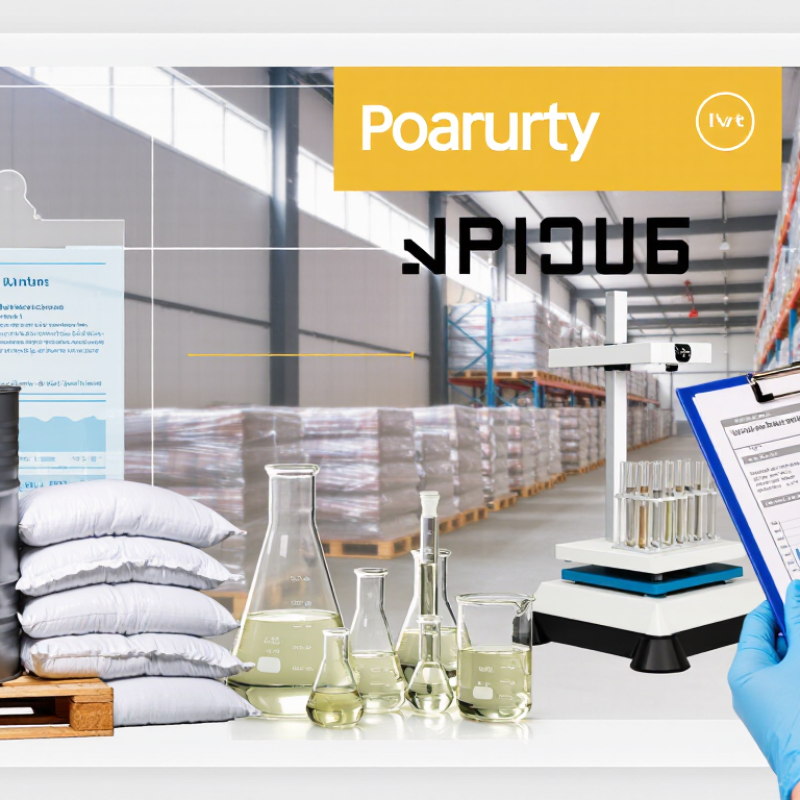
Supplier choice matters because small quality shifts can disrupt production. Buyers should check assay, melting point, color, moisture, and impurity limits. A reliable supplier provides batch-level certificates, stable packaging, and clear storage guidance. The European Chemicals Agency identifies phthalic anhydride as a substance requiring careful hazard communication. Therefore, current safety data sheets and transport documents are essential.

Ask for production-site audits, traceability records, and evidence of quality-system control. Also examine feedstock access, plant capacity, port distance, and backup logistics. A low quotation may hide higher testing, storage, or delay costs. I have seen purchasing teams focus too heavily on price. That is understandable, but incomplete. Supplier claims should be tested against recent samples, independent analysis, and delivery records.
Which Technical Specifications Should a China Supplier Meet?

Choosing a China phthalic anhydride supplier requires more than comparing quoted prices. Technical specifications should match your process, equipment, and finished-product requirements. Small details matter.

Request a current specification sheet and batch-specific certificate of analysis. Purity is important, but it is not the only quality indicator. Check crystallization point, color, maleic anhydride content, free acidity, moisture, ash, and iron levels. A stable crystallization point can support consistent processing. Low moisture may help prevent unwanted reactions during storage and handling. Ask which test methods, detection limits, and acceptance tolerances are used. Numbers without methods are difficult to evaluate.

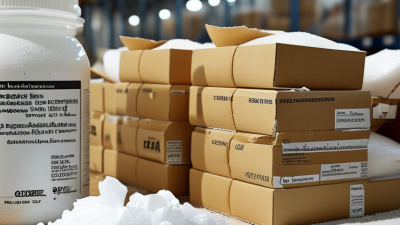
Packaging also deserves technical attention. Confirm the net weight, liner material, pallet condition, and protection against humidity. The supplier should provide a safety data sheet, clear lot identification, and traceable production records. Verify whether samples come from the same production line as commercial shipments. This is practical experience, not paperwork for its own sake. Request evidence. Do not guess.

A reliable supplier should explain how it controls batch variation and manages out-of-specification material. Independent testing can confirm critical results before a long-term contract. No checklist is perfect. Even experienced buyers may overlook storage temperature or unloading conditions. Review those assumptions with the supplier, then record agreed specifications in the purchase contract.

China Phthalic Anhydride Supplier: Key Technical Specification Benchmarks

Use these commonly specified quality indicators when screening suppliers. Typical targets include purity of at least 99.8%, low maleic anhydride and moisture content, and a light APHA color value. Always confirm the latest certificate of analysis, test method, and applicable standard before purchasing.

How to Assess Supplier Quality, Certifications, and Production Capacity?

Choosing the best China phthalic anhydride supplier requires more than comparing quoted prices. Start with a current technical data sheet and a representative certificate of analysis. Check purity, melting point, color, moisture, and free acidity against your specification. Ask whether each result comes from an internal laboratory or an accredited third party. Small details matter. A clear batch number should connect the certificate, packaging, and retained sample.

Certifications need careful verification, not visual approval. Request the ISO 9001 certificate, scope, issuing body, and expiration date. For international shipments, confirm applicable chemical registration, labeling, safety data, and transport documents for your destination. An audit can reveal calibration records, housekeeping, dust control, and complaint handling. I have found that polished documents sometimes hide weak traceability. That deserves scrutiny.

Production capacity should be tested against evidence. Ask for installed capacity, recent monthly output, average utilization, planned maintenance, and backup power arrangements. Compare these figures with your required volume and delivery window. A supplier may claim ample capacity but rely on one aging line. Request a trial order before signing a long contract. Measure delivery consistency, packaging condition, loading records, and product performance in your process. Do not overlook communication. A technically strong factory that answers vaguely can still create costly delays.

How to Choose the Best China Phthalic Anhydride Supplier? - How to Assess Supplier Quality, Certifications, and Production Capacity?

Practical supplier-assessment scorecard for phthalic anhydride procurement. The benchmarks below should be confirmed against the buyer’s approved product specification, destination-country regulations, and contract requirements.

Assessment Category Data Dimension Recommended Benchmark or Requirement Evidence to Request and Verify Priority Suggested Weight
Product Identity Substance identification Phthalic anhydride; CAS No. 85-44-9; molecular formula C8H4O3; relative molecular mass approximately 148.12 g/mol. Product specification, SDS Section 3, laboratory test report, and batch COA. Required 5%
Product Quality Assay or purity Use the agreed commercial grade specification. A common industrial purchasing target is purity of at least 99.5%; higher limits may be required for sensitive applications. Recent COAs from multiple production batches, independent laboratory confirmation, and the analytical method used. Required 10%
Product Quality Solidification or melting point Phthalic anhydride has a reported melting point of approximately 131.6°C. The supplier’s contractual solidification-point limit should be clearly stated and consistently met. COA results, product specification, test method, instrument calibration records, and trend data for at least three batches. Required 7%
Product Quality Color and appearance White to pale-colored crystalline solid, free from visible foreign matter, excessive dust, caking, or abnormal discoloration. Approved visual standard, retained sample, packaging photographs, inspection records, and incoming-quality procedure. Preferred 3%
Product Quality Impurity control Limits for maleic anhydride, residual moisture, ash, iron, and other relevant impurities must be defined according to the end use. Full COA rather than a single purity figure, chromatographic results where applicable, and a written change-control procedure. Required 5%
Quality Management Quality management system A current ISO 9001 certificate issued for the actual manufacturing or quality-control site is strongly preferred. Certificate number, scope, validity date, issuing certification body, site address, and successful certificate verification. Preferred 8%
Regulatory Compliance Safety and environmental management ISO 14001 and ISO 45001 are useful indicators of structured environmental and occupational-safety management, but they do not replace legal compliance checks. Valid certificates, audit scope, corrective-action records, accident statistics, emissions controls, and environmental permits. Preferred 6%
Regulatory Compliance Destination-market compliance Confirm applicable registration, import, labeling, packaging, and chemical-notification requirements for the destination market, including REACH obligations where applicable. Regulatory declaration, registration or representative details where required, compliant SDS, labels, and transport classification. Required 8%
Documentation Safety Data Sheet Current SDS prepared in the destination market’s required language and format, with hazard classification, handling, storage, first aid, fire-fighting, and transport information. Revision date, authoring responsibility, 16-section SDS format, consistency with the product label and actual composition. Required 4%
Production Capacity Verified annual capacity Capacity should be demonstrated by installed equipment, operating history, storage capability, and planned maintenance—not by a stated number alone. Site audit, production-line description, nameplate capacity, recent utilization data, maintenance schedule, and capacity-allocation plan. Required 8%
Production Capacity Supply continuity and allocation Supplier should demonstrate the ability to cover the buyer’s forecast volume during peak demand, planned shutdowns, raw-material interruptions, and force-majeure events. 12-month supply plan, safety-stock policy, backup production arrangements, outage records, and customer-allocation rules. Required 7%
Production Capacity Lot consistency Stable test results across several consecutive batches, with defined control limits and documented handling of out-of-specification material. Batch trend charts, statistical process-control records, deviation reports, CAPA records, and retained-sample policy. Preferred 5%
Logistics Packaging and storage Packaging must protect the material from moisture, contamination, and physical damage. Storage conditions should follow the SDS and product specification. Packaging specification, pallet and container details, warehouse inspection, moisture-control procedure, and loading photographs. Required 5%
Logistics Export and transport readiness Supplier should provide accurate commercial documents, compliant transport information, export experience, and traceable shipment records. Packing list, commercial invoice, certificate of origin, transport documentation, customs classification, and shipment performance history. Preferred 5%
Commercial Risk Traceability and complaint handling Every shipment should be traceable to a production batch, raw-material records, test results, packaging date, and responsible quality personnel. Batch-number system, recall procedure, complaint-response timeline, root-cause analysis template, and corrective-action records. Required 5%
Commercial Risk Audit and change notification Buyer should have the right to conduct a reasonable supplier audit and receive advance notice of changes to formulation, process, site, raw materials, or test methods. Quality agreement, audit policy, change-control procedure, notification period, and approval workflow for major changes. Preferred 4%

How to Verify Pricing, Logistics, and Export Reliability?

Choosing a China phthalic anhydride supplier requires more than comparing the lowest quotation. Ask for a clear price breakdown covering product grade, packaging, inland transport, port charges, insurance, and Incoterms. Confirm whether the quote remains valid for seven days or thirty. Prices can shift with feedstock costs. A surprisingly cheap offer deserves questions. Request recent certificates of analysis, specification sheets, and batch information. Check that test methods match your internal quality requirements. Evidence matters.

Logistics should be tested on paper before payment. Request the loading port, production lead time, container plan, and estimated transit route. Verify packaging details, pallet treatment, labeling, and moisture protection. Ask who prepares export documents, including the commercial invoice, packing list, certificate of origin, and safety documentation. Use an independent inspection company when the order is significant. Small omissions can delay clearance.

Export reliability is built through evidence, not confident emails. Ask for references from comparable industrial buyers, previous shipment records, and a written response plan for delays or rejected batches. Confirm the supplier’s legal entity, manufacturing location, bank account consistency, and ability to support repeat orders. Not just promises. Avoid paying a large balance before document checks and inspection. Still, no checklist is perfect. Weather, port congestion, and production changes remain real risks. Leave time for them.

How to Compare Shortlisted Suppliers and Make the Final Choice?

When comparing shortlisted China phthalic anhydride suppliers, use evidence rather than presentation quality. UN Comtrade classifies phthalic anhydride under HS 291735, allowing buyers to check export records and shipment consistency. ICIS market commentary also links pricing closely to o-xylene and energy costs. Therefore, request a clear pricing formula, not only a low quotation.

Check each supplier’s recent COA, SDS, batch records, and loading photographs. Compare purity, melting point, color, moisture, packaging weight, and retest procedures. Ask for three consecutive batch results. One sample proves very little. A reliable supplier should explain testing equipment, calibration frequency, and deviation handling. During audits, verify storage conditions, production capacity, and whether laboratory samples match commercial batches. A polished factory tour can still hide weak documentation.

Score suppliers across quality, landed cost, lead time, communication, and corrective-action speed. Calculate freight, insurance, inspection, port charges, and possible demurrage. The cheapest offer may become expensive after one delayed shipment. Request references from comparable industrial buyers, while protecting confidential information. Confirm export documents and applicable chemical compliance requirements before signing. I would also include a trial order with measurable acceptance criteria. This is not perfect, but it exposes problems earlier. Final selection should favor consistent evidence over confident promises.