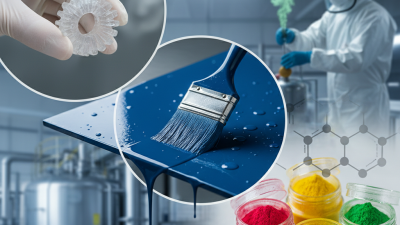
Buying Phthalic Anhydride from global suppliers requires more than comparing prices. The material may arrive as white flakes, bags, or bulk cargo, depending on the supplier’s production system. Buyers should define purity, appearance, packaging, moisture limits, and intended industrial use before requesting quotations. A clear specification prevents costly misunderstandings.
Reliable sourcing begins with supplier verification. Review the manufacturer’s technical data sheet, Safety Data Sheet, certificate of analysis, production capacity, and export experience. Check the CAS number, product grade, batch traceability, and quality-control procedures. Independent audits or third-party inspections can strengthen confidence, especially for first-time transactions. Samples may help, but they do not replace batch testing.
Logistics also deserve careful attention. Confirm loading ports, lead time, minimum order quantity, Incoterms, insurance responsibilities, and storage conditions. Phthalic Anhydride can react with moisture, so packaging integrity and dry handling are important. Verify destination-country requirements with qualified compliance professionals. Rules may differ across markets and can change over time.
Price is only one part of total cost. Freight, duties, testing, payment terms, and possible delays can quickly change the final figure. A low quotation may hide weak documentation or inconsistent quality. However, expensive does not always mean reliable. That is the difficult part.
This guide explains how to compare global suppliers, assess commercial risks, and build a practical purchasing process. It also highlights common mistakes, because even experienced buyers can overlook small details. Careful questions usually protect the budget better than rushed negotiations.
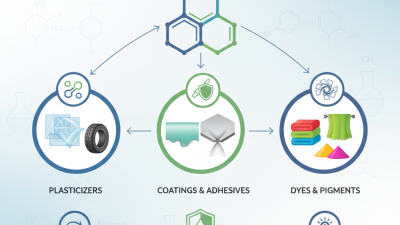
Phthalic anhydride is a white, crystalline chemical intermediate with the formula C8H4O3. It reacts readily with alcohols, glycols, and other compounds. Manufacturers use it to produce plasticizers for flexible PVC products, including cables, flooring, and synthetic leather. It also supports alkyd resin production for paints, coatings, and varnishes.
Its role extends to unsaturated polyester resins, which appear in pipes, panels, tanks, and molded components. Some producers use it in dyes, pigments, and specialty additives. The final application affects the required purity, color, moisture level, and packaging. Industrial-grade material may arrive as flakes, lumps, or molten liquid. Handle it carefully, because contact with moisture can create phthalic acid and increase caking.
When buying from global suppliers, request a current certificate of analysis and safety data sheet. Check assay, melting point, color, iron content, and water content. Confirm whether the material meets your destination country’s chemical and transport rules. Packaging should protect the product from humidity during ocean shipping. I have found that buyers often focus only on price. That can be a costly shortcut. A lower offer may hide weaker packaging, inconsistent batches, or unclear delivery terms. Ask about production capacity, inspection procedures, lead time, and claim handling before placing a trial order. Small details matter. A pre-shipment sample and independent inspection can reduce avoidable risk.
Before contacting global suppliers, define the chemical requirement precisely. Phthalic anhydride is commonly identified by CAS 85-44-9. Specify the required purity, physical form, packaging, annual volume, and delivery frequency. For resin production, a buyer may request 99.8% assay, low maleic anhydride content, and controlled color. These limits should match the process, not a copied specification.
Market data can guide planning. A 2024 report by Mordor Intelligence estimated the global phthalic anhydride market at about USD 4.1 billion, with continued growth through 2029. This suggests broad supply availability, but regional capacity still affects lead times. Ask suppliers for recent production dates, typical batch size, loading port, and monthly allocation. Check whether the material is supplied as flakes, molten liquid, or another approved form. Packaging matters. Moisture can react with phthalic anhydride and form phthalic acid. Use sealed, moisture-resistant packaging and confirm storage conditions.
Request a current certificate of analysis, safety data sheet, technical data sheet, and a representative sample. Compare assay, color, acid value, iron, and moisture results. Also define acceptable delivery terms, inspection rights, and replacement procedures before ordering. A low quotation may hide port charges or weak quality controls. I would not treat it as a saving. My checklist can still miss something, especially during seasonal shutdowns. Reconfirm stock and transport capacity shortly before shipment.
| Purchasing Dimension | Recommended Requirement | Purchasing Data or Acceptance Criteria | Why It Matters |
|---|---|---|---|
| Product Identity | Phthalic anhydride for industrial use | CAS No. 85-44-9; molecular formula C8H4O3; relative molecular mass 148.12 g/mol | Confirms that quotations and shipping documents refer to the intended chemical. |
| End Use | Select the application before requesting offers | Typical uses include alkyd and polyester resins, plasticizers, coatings, pigments, dyes, and phthalate intermediates. | Different applications may require different purity, color, particle-size, and handling specifications. |
| Purity | Define the minimum assay level | Industrial purchasing baseline: assay ≥ 99.8% by mass; tighten the requirement where the downstream formulation is sensitive. | Higher and more consistent purity can reduce side reactions, waste, and batch-to-batch variation. |
| Solidification Point | Specify the acceptable range | Reference melting/solidification point: approximately 131.6°C; a practical specification may require ≥ 131.0°C, subject to the agreed test method. | The value is commonly used as an indicator of purity and material consistency. |
| Appearance and Color | Define visual quality requirements | White to nearly white crystalline solid; specify a maximum color value if the product will be used in light-colored resins or coatings. | Color and visible contamination can affect the appearance and performance of finished products. |
| Free Maleic Anhydride | Set a maximum impurity limit | Request a declared maximum, such as ≤ 0.05% by mass, or the limit required by the buyer’s process specification. | This impurity can influence reaction behavior, odor, color, and final-product quality. |
| Moisture | Control exposure to humidity | Specify a maximum moisture level, commonly ≤ 0.10% by mass, and require moisture-protective packaging. | Phthalic anhydride reacts with water to form phthalic acid, which can affect handling and processing. |
| Particle or Flake Form | Match the physical form to the feeding system | Confirm whether flakes, prills, powder, or molten delivery is required; define particle-size distribution when automated feeding is used. | Physical form affects dust generation, flowability, melting behavior, and equipment compatibility. |
| Quantity and Forecast | Provide both immediate and annual demand | Example planning format: trial order 1–5 metric tons; regular shipment 20–25 metric tons; annual forecast 240–600 metric tons. | Accurate volume information supports production planning, allocation, and freight optimization. |
| Packaging | Use sealed, moisture-resistant packaging | Common options include 25 kg bags, 500–1,000 kg bulk bags, or approved bulk systems; confirm inner liner, pallet, and stacking requirements. | Suitable packaging limits moisture uptake, leakage, contamination, and transport damage. |
| Shipping Classification | Verify the current transport classification | Phthalic anhydride is commonly shipped as UN 2214, Class 8, with the packing group and transport designation confirmed from the current SDS and applicable regulations. | Correct classification is required for compliant labeling, documentation, carrier selection, and customs clearance. |
| Delivery Terms | Request comparable Incoterms® 2020 quotations | Compare FCA, FOB, CFR, CIF, or DAP offers using the same destination, packaging basis, insurance scope, and delivery schedule. | A consistent basis prevents hidden freight, insurance, handling, and import-cost differences. |
| Lead Time | Define the required arrival window | Record order confirmation time, production or allocation time, transit time, port handling time, and customs clearance buffer. | The total supply-chain lead time is more useful than the factory dispatch date alone. |
| Quality Documentation | Require a complete document package | Certificate of Analysis, Safety Data Sheet, batch number, manufacturing date, retest or shelf-life information, packing list, and certificate of origin where required. | Documents support incoming inspection, traceability, regulatory review, and customs processing. |
| Sampling and Testing | Agree on test methods before ordering | Define sampling frequency, laboratory method, acceptance tolerance, retain-sample policy, and procedure for resolving out-of-specification results. | Pre-agreed methods reduce disputes caused by different sampling and analytical practices. |
| Storage and Handling | Maintain a dry, cool, well-ventilated storage area | Keep containers tightly closed, protect from moisture, and segregate from incompatible materials; consult the current SDS for detailed controls. | The material is corrosive and moisture-sensitive, so proper storage protects personnel, equipment, and product quality. |
| Commercial Evaluation | Compare total landed cost rather than unit price only | Evaluate product price, packaging, freight, insurance, duties, taxes, port fees, testing, inventory carrying cost, and potential quality-loss cost. | The lowest quoted price may not produce the lowest delivered or usable cost. |
| Supplier Qualification | Use an evidence-based approval process | Review recent CoA consistency, production capacity, quality system, regulatory documents, export experience, complaint handling, and business continuity plans. | Qualification reduces the risk of inconsistent quality, delayed deliveries, and compliance failures. |
How to Evaluate Global Phthalic Anhydride Suppliers
A reliable evaluation starts with product evidence, not a polished website. Request a recent certificate of analysis for each batch, including purity, color, melting point, and key impurities. Phthalic anhydride is sensitive to moisture and can cake during storage. Ask how the supplier seals bags, controls warehouse humidity, and records batch traceability. A clear answer matters more than a low quotation.
Review the supplier’s production capacity, quality system, and export experience. Confirm whether samples come from regular production, not a specially prepared laboratory batch. Compare technical data with an independent test when the order is commercially important. Check safety data sheets, packaging specifications, transport classification, and destination-country labeling requirements. Documentation should match the actual product. Small inconsistencies deserve questions.
Communication also reveals operational reliability. Can the supplier explain lead times, minimum order quantities, payment terms, and claims procedures without avoiding details? Request references from comparable industrial buyers when possible. A video audit or third-party inspection can verify storage conditions and loading practices. My own evaluation can become too spreadsheet-driven. That is a weakness. A supplier may meet every numerical requirement yet respond slowly during a shipment problem. Test that relationship before signing a long-term agreement.
The chart presents a practical 100-point procurement framework for evaluating global phthalic anhydride suppliers. Product quality is prioritized because commercial phthalic anhydride is commonly traded at high purity, while logistics, compliance, supply reliability, and total cost are also essential for international purchasing decisions.
The percentages are recommended evaluation weights for a purchasing scorecard, not market-share or company-performance data. Buyers should verify technical specifications, certificates of analysis, REACH or applicable chemical-registration requirements, packaging, lead time, Incoterms, and landed cost before placing an order.
Buying phthalic anhydride from global suppliers requires more than comparing quoted prices. Request the same specification from each seller, including purity, melting point, color, moisture, and packaging. A low price may hide higher inland freight, port charges, or weak packaging. Ask for a recent certificate of analysis and confirm the testing method. Small differences matter during resin or plasticizer production.
Compare delivered cost, not only the invoice. Clarify Incoterms, minimum order quantity, lead time, loading port, payment terms, and insurance responsibility. Request photos of pallets, liners, labels, and container sealing. A trial shipment can reveal dust, damaged bags, or unexpected delays. It is not perfect evidence, but it is useful. Check the supplier’s export history, quality system, and response time. Independent inspection before loading may be worthwhile for a first transaction.
Tips: Build a comparison sheet covering price, quality data, freight, duties, and delivery risk. Keep offers valid for the same period. Confirm whether the quoted price includes compliant documents and safe transport arrangements. Do not accept vague claims such as “premium grade.” Ask for measurable limits. I sometimes focus too heavily on price; that mistake can cost more than the original saving. Recheck currency, exchange-rate exposure, and possible demurrage before signing.
Buying phthalic anhydride safely starts with a documented specification, not a quick price request. State purity, appearance, packing format, batch size, destination, and required delivery date. Include the CAS number, 85-44-9, to prevent product confusion. Ask for a current SDS and certificate of analysis for the offered lot. The certificate should show assay, moisture, color, and test methods. Small details matter here. A vague specification creates disputes later.
Before placing an order, verify the supplier’s legal entity, manufacturing or storage address, export authorization, and quality system. Request recent company documents, references, inspection records, and a video or third-party facility audit. Check that the bank account matches the contracting entity. This simple control can expose fraud. A pre-shipment sample may help, but it cannot replace lot-specific testing. Use an independent laboratory when the application is sensitive. I would also compare several quotations; the cheapest offer may hide unclear packaging or payment terms.
Write every commercial point into the purchase contract. Confirm Incoterms, quantity tolerance, pallet design, labeling, insurance, payment milestones, and lead time. For shipping, agree on moisture protection and container cleanliness because contamination can damage the material. Confirm the carrier’s handling procedures, transport classification, and destination import documents before dispatch. Keep the commercial invoice, packing list, SDS, certificate of origin, and certificate of analysis together. Do not release final payment until documents and quantities match. Even careful teams miss one attachment sometimes. Build a checklist, then have someone else review it.