Top 10 N Hydroxysuccinimidyl Suppliers in China for Global Buyers?
In the ever-evolving field of biochemistry, N Hydroxysuccinimidyl compounds play a vital role. These versatile reagents are pivotal in protein labeling and drug development. Understanding the supply chain dynamics is essential for global buyers seeking quality.
China emerges as a key supplier of N Hydroxysuccinimidyl products. With numerous manufacturers, securing reliable partners can be challenging. Buyers must evaluate suppliers carefully to ensure compliance with quality standards. This includes assessing their production capabilities and adherence to strict regulations.
Despite the growing market, challenges persist. Some suppliers may not meet international quality benchmarks. It's crucial for buyers to conduct thorough research. Identifying established suppliers can mitigate risks and enhance procurement success. Quality should never be compromised in such a critical sector, as the implications could be significant.
Overview of N Hydroxysuccinimidyl and its Applications
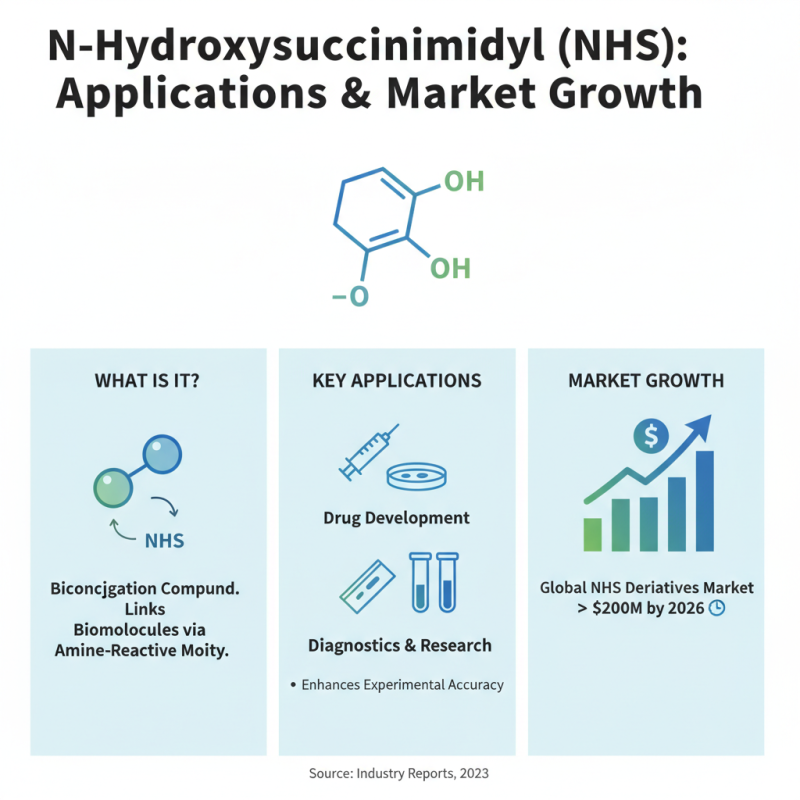
N Hydroxysuccinimidyl, often referred to as NHS, is a vital compound in bioconjugation. It enables scientists to link biomolecules through an amine-reactive moiety, enhancing experimental accuracy. The global market for NHS derivatives is growing, projected to reach over USD 200 million by 2026. Its applications in drug development and diagnostics underscore its significance.
NHS is widely used in creating stable linkages in antibody-drug conjugates and other therapeutic formulations. For instance, it plays a crucial role in various labeling procedures and biopolymer modifications. The efficiency of NHS coupling reactions is well-documented, with reports indicating nearly 90% reaction yields under optimal conditions. Such performance signifies the compound’s reliability in research and industrial applications.
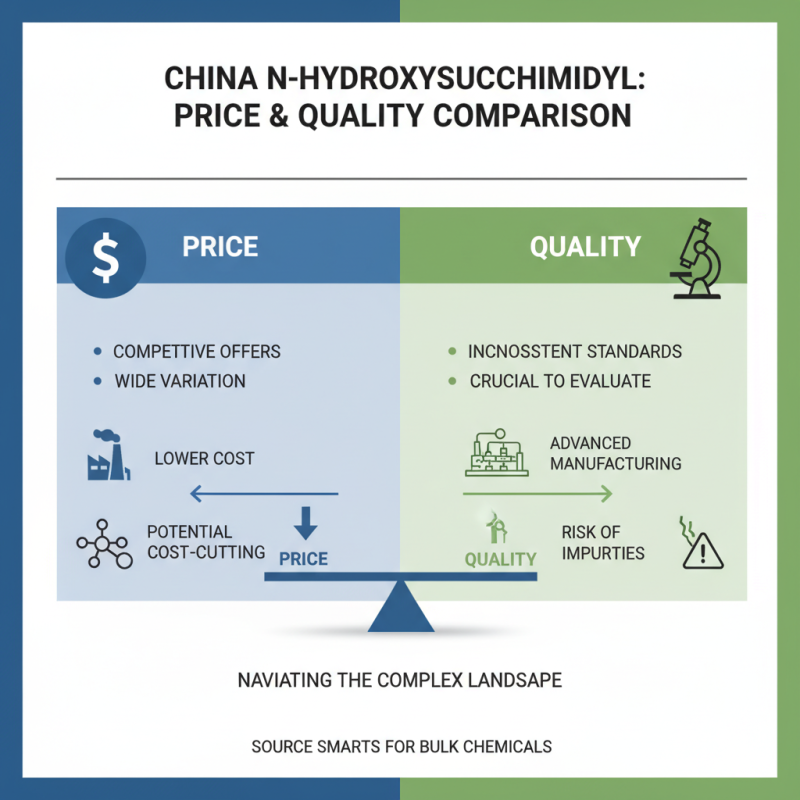
Challenges exist in the availability and purity of NHS from suppliers. Buyers must navigate variations in quality and should critically evaluate their sourcing strategies. While many suppliers promote high-purity NHS, discrepancies can arise, affecting downstream applications. Industry experts emphasize the need for rigorous testing to ensure product integrity.
Criteria for Selecting N Hydroxysuccinimidyl Suppliers
When selecting N Hydroxysuccinimidyl suppliers, focus on several key criteria.
Expertise in the field is crucial. Suppliers should have strong knowledge of chemical production and handling.
Look for those with a history of reliability and product quality. This is essential for ensuring that you receive a consistent product.
Supplier certifications can also indicate a level of professionalism.
Quality control is another critical aspect. Investigate the supplier’s quality assurance processes.
Regular testing should be standard practice. Suppliers should be open about their testing methodologies and results.
Transparency in these areas builds trust and ensures you are sourcing a reliable product.
Consider visiting production facilities if possible. This will provide insight into their operations.
Tips: Always check client reviews and testimonials.
They can provide valuable insights into a supplier's reputation. Maintaining communication with suppliers is vital.
Ask questions to gauge their responsiveness and willingness to assist.
A supplier's attitude towards customer service often reflects their overall business approach.
Be prepared to reassess your choice based on service quality and delivery performance.
Top N Hydroxysuccinimidyl Suppliers in China
The demand for N Hydroxysuccinimidyl (NHS) compounds is on the rise globally. This growth is driven by their application in bioconjugation and drug delivery systems. According to industry reports, the market for NHS reagents is projected to grow by approximately 8% annually. As a result, sourcing reliable suppliers in China is crucial for global buyers.
China hosts several reputable suppliers of NHS compounds. Many of these suppliers emphasize the importance of quality control in production. They often follow strict compliance with international standards. However, not every supplier maintains consistent quality or transparency. Buyers must conduct due diligence to ensure they choose reliable partners.
Tips: Always request certifications and sample products before making large purchases. Building a relationship with suppliers can improve communication. Additionally, keeping an eye on market trends can provide insights into pricing and availability, ensuring that you remain competitive in your sourcing efforts.
Top 10 N Hydroxysuccinimidyl Suppliers in China for Global Buyers
| Rank |
Supplier Location |
Annual Revenue (Estimated) |
Product Quality Rating |
Delivery Time (Days) |
Customer Rating |
| 1 |
Beijing |
$10M |
4.8/5 |
15 |
4.5/5 |
| 2 |
Shanghai |
$8M |
4.7/5 |
20 |
4.6/5 |
| 3 |
Guangzhou |
$6M |
4.6/5 |
18 |
4.4/5 |
| 4 |
Shenzhen |
$12M |
4.9/5 |
10 |
4.7/5 |
| 5 |
Hangzhou |
$9M |
4.5/5 |
22 |
4.3/5 |
| 6 |
Chengdu |
$7M |
4.4/5 |
21 |
4.5/5 |
| 7 |
Nanjing |
$5M |
4.3/5 |
30 |
4.2/5 |
| 8 |
Wuhan |
$4M |
4.1/5 |
25 |
4.0/5 |
| 9 |
Xi'an |
$3M |
4.0/5 |
28 |
3.9/5 |
| 10 |
Suzhou |
$2.5M |
3.9/5 |
35 |
3.8/5 |
Shipping and Regulatory Considerations for Global Buyers
Shipping and regulatory considerations are crucial for global buyers sourcing N Hydroxysuccinimidyl from China. Compliance with both international and local regulations can significantly impact the supply chain. In recent reports, it has been noted that about 20% of shipments face delays due to regulatory issues. This emphasizes the importance of understanding documentation requirements and import regulations in your target market.
In China, suppliers must adhere to stringent safety and quality standards before exporting. Global buyers should request certificates of analysis and safety data sheets to ensure compliance with their local laws. According to industry data, about 15% of suppliers fail to meet these standards in initial inspections. Incorrect documentation can lead to regulatory penalties or shipment rejections, making it vital to verify documentation processes with suppliers.
Furthermore, shipping logistics play a pivotal role in timely delivery. The average transit time from China to North America is about 30 days, while EU routes may take slightly longer. Disruptions in shipping routes, as highlighted in recent reports, can affect these timelines. Buyers must establish clear communication with suppliers about shipping methods and timelines to mitigate risks. Understanding potential barriers is essential for a smooth purchasing experience.