Top Phthalic Anhydride Suppliers Worldwide?
Phthalic Anhydride remains a vital intermediate for plasticizers, alkyd resins, unsaturated polyester resins, and coatings. Its supply chain connects feedstock markets, plant reliability, environmental controls, and regional manufacturing demand. Grand View Research estimates steady market expansion through 2030, while IMARC Group also identifies construction, automotive, and electrical applications as important growth drivers. The exact figures differ between reports. That difference deserves attention.
This guide examines leading Phthalic Anhydride suppliers worldwide, including producers in China, India, Japan, Southeast Asia, Europe, and North America. It considers production capacity, product consistency, logistics, technical support, and publicly available certifications. ICIS and S&P Global Commodity Insights provide useful market references for feedstock costs, operating conditions, and regional price movements. A low quoted price may look attractive. It may not remain attractive after freight, testing, storage, and delivery risks are included.
As chemical-industry expert Dr. John C. Warner has stated, “A safer chemical is one designed with its full life cycle in mind.” That principle matters here. Supplier selection should examine more than annual output. Buyers should review impurity control, batch documentation, packaging quality, and emergency-response procedures. Small details matter, especially when material arrives in bulk tankers or lined bags. Public data can also be incomplete. Some producers disclose capacity, but not actual operating rates. Therefore, the rankings in this article should support due diligence, not replace it.

Phthalic Anhydride: Properties, Uses, and Global Market Role
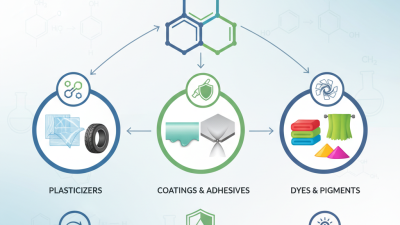
Phthalic anhydride is a white, crystalline solid with a sharp, distinctive odor. It melts near 131°C and reacts readily with alcohols, glycols, and water. These properties support its broad industrial value. Manufacturers use it to produce plasticizers, alkyd resins, unsaturated polyester resins, coatings, and pigments. It also contributes to flexible plastics, durable paints, and composite materials used in construction and transportation.
Its global market role depends on more than production volume. Reliable suppliers need consistent purity, stable packaging, responsive technical support, and dependable delivery schedules. Production is concentrated near petrochemical and manufacturing centers, where feedstock access and logistics reduce costs. However, price comparisons can mislead. A lower quotation may hide longer lead times, inconsistent quality, or higher storage requirements. In practical procurement reviews, moisture control and batch documentation deserve careful attention. Small differences can affect resin color, curing behavior, and final product performance. Market demand also changes with construction activity, automotive output, and environmental regulations. Forecasts are useful, but never perfect.
Tips:
Check the certificate of analysis, packaging date, moisture limits, and transport conditions. Request representative samples before large orders. Store the material in sealed, dry containers away from heat and incompatible substances. Do not judge suppliers by price alone. A balanced review should include quality history, production capacity, delivery performance, and technical communication. There is always room for doubt.牲交
Leading Phthalic Anhydride Suppliers by Region
Top Phthalic Anhydride Suppliers Worldwide?
Leading Phthalic Anhydride Suppliers by Region
Asia remains the largest supply region, supported by strong plasticizer, resin, and coating industries. Major production clusters are located near integrated petrochemical ports. These suppliers often offer large contract volumes, export packaging, and flexible shipment schedules. Buyers should still verify plant capacity, feedstock stability, and recent quality records.
Europe has a mature supplier network with strict documentation and consistent process controls. Regional producers often emphasize low-emission operations, traceability, and technical support for alkyd resins. Delivery may be efficient within nearby markets, although energy costs can influence quotations. A lower price is not always the better commercial choice.
North America serves established resin, construction, and industrial coating markets. Suppliers commonly compete through dependable logistics, specification control, and customer service. In the Middle East, newer chemical hubs benefit from port access and expanding downstream manufacturing. Latin America offers regional availability, but freight planning can become difficult during seasonal disruptions.
Specification sheets matter. Check purity, color, moisture, packaging strength, and loading conditions before approval. Site audits provide stronger evidence than polished presentations. No regional map is perfect. Capacity figures can change, and public data may lag behind actual operations. A careful buyer should compare verified samples, delivery performance, and technical responsiveness before selecting a long-term source.
Key Factors for Evaluating Phthalic Anhydride Suppliers
Top Phthalic Anhydride Suppliers Worldwide?
Key Factors for Evaluating Phthalic Anhydride Suppliers
Selecting a phthalic anhydride supplier requires more than comparing quoted prices. Start with product purity, moisture levels, color, and melting-point data. These details affect plasticizers, alkyd resins, and coating performance. Request a current certificate of analysis for every production lot. Do not rely on an old sample.
Consistency matters greatly. A reliable supplier should explain its testing methods and batch-release procedures. Check whether specifications remain stable during seasonal demand. Ask about manufacturing capacity, storage conditions, and lead times. A full warehouse does not always mean dependable supply. Sometimes, it signals aging material.
Traceability should be clear.
Evaluate packaging before approval. Inspect liner quality, pallet stability, labeling, and protection against moisture. During a site audit, review loading areas and emergency controls, not only the laboratory. Transport records should identify the batch, shipment date, and handling conditions. These simple records can prevent difficult investigations later.
Technical support is another useful measure. Qualified staff should answer questions about impurities, processing temperatures, and application changes. They should provide evidence, not vague assurances. Commercial terms also deserve attention, including payment conditions, delivery schedules, and procedures for handling nonconforming material. A low offer can become expensive after delays or rejected batches. No checklist is flawless. Procurement teams should revisit supplier performance after each shipment and record what went wrong, even when the issue seems minor.
Top Phthalic Anhydride Suppliers Worldwide? Key Factors for Evaluating Suppliers
This procurement benchmark allocates a 100-point evaluation score across the factors most commonly used when comparing global phthalic anhydride suppliers. It is a supplier-selection framework rather than a ranking of named companies or brands.
Production Methods and Quality Standards
Top Phthalic Anhydride Suppliers Worldwide: Production Methods and Quality Standards
Reliable phthalic anhydride suppliers usually explain how each batch is produced, tested, and transported. Most modern plants oxidize o-xylene in a fixed-bed reactor using air and a vanadium-based catalyst. Some facilities use naphthalene, especially where feedstock availability affects production economics. The reaction creates heat, so temperature control is essential. Small changes can influence color, purity, and by-product formation.
Quality begins with consistent raw materials and stable reactor conditions. Buyers should review the certificate of analysis for assay, melting point, color, moisture, and maleic anhydride content. Low moisture matters because phthalic anhydride reacts with water and can form phthalic acid during storage. Reliable producers also provide batch numbers, sampling records, and clear packaging instructions. Flakes should remain dry and protected from contamination.
Documentation is useful, but it is not the whole assessment.
A practical supplier review may include a plant audit, laboratory comparison, and a trial shipment. Independent testing can confirm identity and purity before regular purchasing begins. Standards such as ISO-based quality systems support repeatability, yet they cannot replace technical communication. Storage conditions are often underestimated. A warm warehouse, opened bags, or delayed unloading may reduce product quality. No audit is perfect. Suppliers and buyers should regularly review complaints, test trends, and delivery performance.
Global Supply Trends, Pricing, and Procurement Considerations
Phthalic anhydride supply is increasingly regional. Producers in Asia, Europe, and North America adjust output according to construction, coatings, plasticizers, and resin demand. Feedstock costs, especially ortho-xylene, strongly influence monthly pricing. Energy expenses also matter.
Freight rates can change the delivered price within weeks. Bulk shipments usually reduce packaging costs, while smaller flake shipments offer easier storage and flexible production planning. Buyers should compare offers using the same basis: purity, delivery term, payment conditions, packaging, and destination. A low quote may still become expensive after port fees, inland transport, or quality testing.
Tips: Request recent certificates of analysis, production origin, lead time, and safety documentation. Check melting point, purity, color, and moisture limits before approval. Keep at least two qualified supply routes. This reduces disruption risk. Stock levels should reflect actual consumption, not optimism. Forecasts are imperfect. I have seen buyers overstock during a price dip, then carry avoidable storage costs. A better approach uses rolling demand reviews, clear acceptance criteria, and documented supplier communication. For technical purchases, trial quantities can reveal handling issues that paperwork misses. Also review warehouse ventilation, temperature control, and spill procedures before receiving material.