What Is Para Phthalic Acid Used For?
Para Phthalic Acid, commonly called terephthalic acid, is a major building block in modern polymer manufacturing. The name can confuse readers because “para-phthalic acid” is less common in technical standards. In industrial documents, terephthalic acid or PTA usually describes the same para-isomer. This distinction matters when reading supplier specifications, safety data sheets, and market reports.
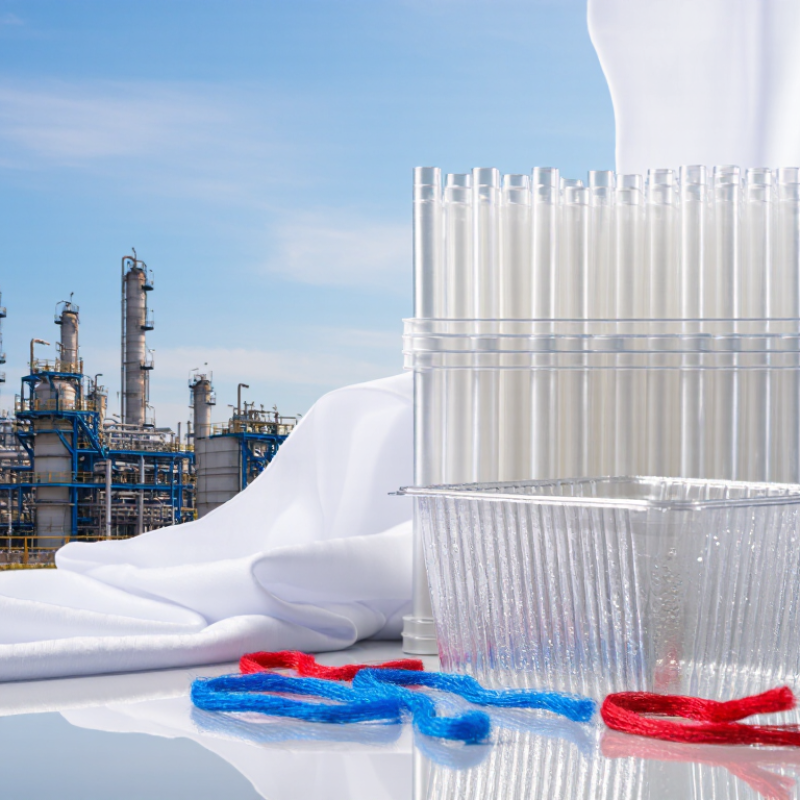
Its largest application is polyethylene terephthalate, or PET. PET becomes the clear plastic used in beverage bottles, food containers, and packaging films. It also forms polyester fibers used in shirts, carpets, seat fabrics, and industrial textiles. A smaller but important route produces polyester films and engineering plastics. These materials can appear simple, but their performance depends on purity, moisture control, and carefully managed polymerization conditions.
Industry data supports this broad role. The International Energy Agency’s The Future of Petrochemicals identifies polyester-related chemicals as important growth areas within petrochemical demand. S&P Global Commodity Insights and ICIS market analyses also track terephthalic acid closely because PET packaging and polyester fibers drive much of its consumption. Grand View Research reports continued expansion in the global terephthalic acid market, linked to packaging, textiles, and rising urban consumption. Exact forecasts differ. They should.
The practical question is not only what Para Phthalic Acid makes. It is also how manufacturers manage energy use, recycling, feedstock volatility, and product quality. Recycled PET can reduce pressure on virgin materials, although collection systems remain uneven. The picture is not perfectly simple. Understanding these uses helps buyers, engineers, and sustainability teams judge both its value and its limits.
Chemical Identity of Para-Phthalic Acid: Formula, Structure, and Properties
Para-phthalic acid, commonly called terephthalic acid, has the molecular formula C8H6O4. Its molecular weight is about 166.13 g/mol. The compound contains a benzene ring with two carboxyl groups. These groups sit at opposite, or para, positions on the ring.
This symmetrical structure strongly influences its behavior. Para-phthalic acid appears as a white crystalline solid under normal conditions. It has very low solubility in water and melts or decomposes near 300°C. Its two carboxyl groups can react with glycols, forming long polyester chains. That reaction explains its major industrial importance.
It is widely used to produce polyester fibers, packaging materials, films, and engineering resins. The resulting polymers can offer strength, clarity, and resistance to moisture. In laboratory work, careful temperature control matters because the acid is not easily dissolved. Industrial processes often use elevated heat and controlled solvents.
The name can cause confusion. Phthalic acid places its carboxyl groups beside each other, while para-phthalic acid places them across the ring. That small structural difference changes reactivity and polymer performance. In real materials, purity also matters more than a simple formula suggests. Trace impurities may affect color, molecular weight, and processing stability. Testing remains essential.
How Para-Phthalic Acid Is Produced from Paraxylene at Industrial Scale
Para-phthalic acid, commonly called purified terephthalic acid (PTA), is mainly produced from paraxylene. Large plants oxidize paraxylene with air in a hot acetic acid solvent. Cobalt, manganese, and bromide catalysts support the reaction. The process releases substantial heat.
Industrial control matters here.
The oxidation slurry contains PTA crystals, solvent, water, and intermediate compounds. Producers cool the slurry, separate the crystals, and wash them with carefully controlled water. A second purification stage often uses hydrogenation to remove color-forming impurities. The purified material is then dried into a white powder for transport and polymer production. Small temperature changes can affect crystal quality.
PTA reacts with ethylene glycol to produce polyethylene terephthalate, or PET. This polymer enters polyester fibers, packaging films, and rigid containers. Textile Exchange’s Materials Market Report 2024 recorded polyester at about 59% of global fiber production in 2023. That figure shows why PTA demand closely follows textile and packaging markets. The International Energy Agency’s Future of Petrochemicals report also identified petrochemical feedstocks as a major source of future oil-demand growth. These figures describe strong demand, but they do not remove process weaknesses. Oxidation can create wastewater, solvent losses, and energy-intensive purification requirements. Better heat recovery and lower-water washing remain practical targets for industrial improvement.
Why Polyester Manufacturing Uses About 70% of Global PTA Output
What Is Para Phthalic Acid Used For?
Para phthalic acid, commonly called purified terephthalic acid (PTA), is a key chemical intermediate. Its largest role is polyester manufacturing. Industry estimates often place polyester’s share at about 70% of global PTA consumption, although the exact percentage changes by year and region.
PTA reacts with monoethylene glycol through controlled polymerization. The result is polyethylene terephthalate, or PET. Manufacturers then melt and spin this polymer into clothing fibers, industrial yarns, films, and packaging materials.
A clear bottle, a wrinkle-resistant shirt, and a strong polyester cord may begin with the same white PTA crystals. Purity matters greatly. Small impurities can affect polymer color, strength, viscosity, and processing stability.
This is where laboratory testing and plant experience become important. The 70% figure is useful, but it should not be treated as permanent. Market demand and production capacity keep shifting.
Tips:
When evaluating PTA data, check the year, region, and definition of “polyester.” Some reports include fibers, resins, films, and bottles together. Others separate them. Also, do not confuse PTA with the finished polyester product. PTA is an upstream raw material, not a ready-to-use plastic or textile. Its environmental impact also deserves careful review, especially energy use, emissions, recycling rates, and transport distance.
PET Bottles and Packaging: The Largest Application of Para-Phthalic Acid
What Is Para Phthalic Acid Used For?
Para-phthalic acid, commonly called terephthalic acid, is a key raw material for making PET. Manufacturers react it with ethylene glycol to create long polymer chains. These chains form a strong, lightweight, and transparent plastic.
PET bottles are its largest application. The material can hold water, beverages, cooking oils, and many household liquids. It is light to transport and resists breaking during normal handling. Its smooth surface also supports clear labeling and clean presentation. PET is not perfect, though. Oxygen and heat can still affect sensitive products over time.
Packaging uses extend beyond bottles. PET can become food trays, thin films, jars, and protective containers. The final performance depends on thickness, processing temperature, additives, and closure design. A bottle may look simple, but its structure requires careful control. Small defects can cause leaks or weak bases.
Tips: Check the required clarity, impact strength, and temperature range before selecting PET packaging. For recycled-content projects, verify material quality and contamination controls. Do not assume every PET item performs equally. Design and processing matter. Recycling claims also need careful wording, because collection and reprocessing systems differ by location.
What Is Para-Phthalic Acid Used For?
Para-phthalic acid, also called purified terephthalic acid (PTA), is primarily used to produce polyester. In PET manufacturing, PTA reacts with ethylene glycol to form polyethylene terephthalate, the material used in bottles, food packaging, films, and many polyester products.
Textile Fibers, Films, and Resins: Other Major PTA-Based Products
In industry, “para phthalic acid” usually refers to purified terephthalic acid, or PTA. Its most visible use is polyester textile fiber. PTA reacts with ethylene glycol to form polyester, which can be spun into fine filaments. These fibers appear in shirts, sportswear, curtains, carpets, and industrial fabrics. They resist wrinkling and dry quickly. However, fiber quality depends on polymer control, spinning speed, and moisture management. PTA alone does not guarantee a durable fabric.
Textile fibers are only part of the picture. PTA-based polyester films can be clear, strong, and dimensionally stable. Manufacturers use them in food packaging, labels, electrical insulation, and protective laminates. A thin film may look simple, yet its performance depends on stretching conditions and surface treatment. Small process variations can affect clarity, adhesion, and tear resistance. This is where practical production experience matters.
PTA also supports several resin systems. PET resin can become bottles, trays, sheets, and molded parts after careful processing. Other polyester resins serve in coatings, adhesives, and composite materials. These products may require controlled heating, catalysts, and precise formulation. The chemistry is well established, but the results are not always predictable. Recycled feedstock, contamination, and repeated heating can change color and strength. Some applications therefore need additional testing before large-scale production.