Leave Your Message

Why Is N Hydroxyphthalimide Used in Organic Synthesis?

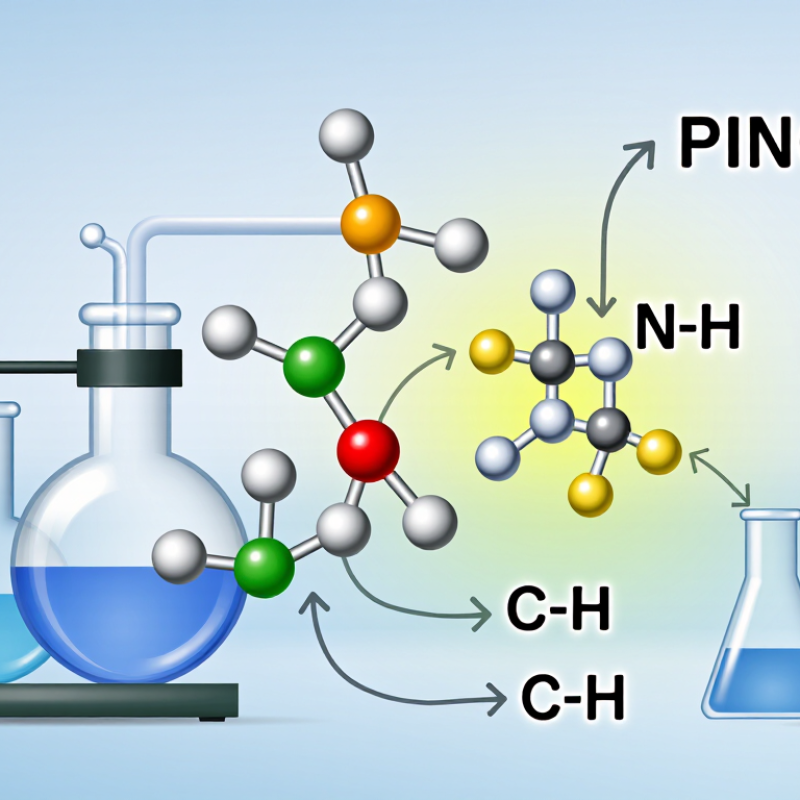
N Hydroxyphthalimide is a useful tool in organic synthesis because it can help convert strong carbon–hydrogen bonds into more reactive chemical groups. On its own, many C–H bonds resist change. Under suitable conditions, however, NHPI can form the phthalimide-N-oxyl radical, commonly called PINO. This reactive intermediate can participate in hydrogen-atom transfer and support oxidation reactions.

A practical example is the oxidation of benzylic or other activated C–H sites. Researchers may use NHPI with oxygen or a co-catalyst to produce alcohols, ketones, or related products. The attraction is clear: oxygen can serve as the terminal oxidant, and some reactions proceed under comparatively mild conditions. Small changes matter. Solvent, temperature, oxygen supply, and substrate structure can all affect conversion and selectivity.

Not a universal solution. NHPI does not make every C–H bond equally reactive, and competing reactions may reduce the desired product. Results reported for one substrate may not transfer directly to another. Careful controls and product analysis are therefore essential, especially when evaluating the proposed role of PINO. This is where the chemistry becomes interesting—and less tidy than a simple reaction scheme suggests. Understanding how N Hydroxyphthalimide behaves helps chemists choose suitable oxidation conditions, interpret reaction outcomes, and recognize when another method may be more reliable.
Why Is N Hydroxyphthalimide Used in Organic Synthesis?

Chemical Structure and Key Properties of N-Hydroxyphthalimide

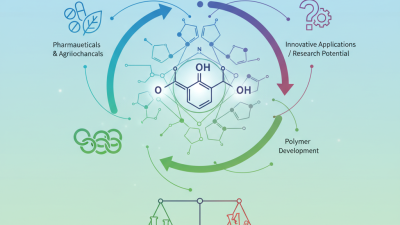
N-Hydroxyphthalimide (NHPI) has a compact phthalimide ring with an N–OH group. Its molecular formula is C8H5NO3, and its molecular weight is 163.13 g/mol, according to the PubChem Compound Summary. The two carbonyl groups shape the imide core; the hydroxyl group can donate a hydrogen bond. That small structural change matters. NHPI is a crystalline solid at room temperature, so accurate weighing and dry handling help keep reaction setup consistent.

In oxidation chemistry, NHPI can form the phthalimide N-oxyl radical, often called PINO. PINO helps transfer hydrogen atoms from organic molecules, supporting catalytic oxidation processes. The N–OH bond is central to this behavior, while the aromatic ring stabilizes the resulting radical. Structure alone does not predict every outcome, though. Solvent, temperature, oxygen transfer, and substrate identity can shift conversion and selectivity. PubChem’s recorded formula and mass are useful identity checks, not a substitute for reaction-specific testing.

Tip: Confirm identity and purity before use. Weigh NHPI promptly, record solvent and temperature, and compare a small trial with a control. Even tidy reaction notes can miss a variable.

How N-Hydroxyphthalimide Functions as a Redox Mediator

N-Hydroxyphthalimide, often called NHPI, can act as a redox mediator in oxidation reactions. It is converted into a reactive species called the phthalimide-N-oxyl radical, or PINO. PINO can remove a hydrogen atom from certain organic molecules, forming a carbon-centered radical. That small step can make a difficult oxidation proceed under milder conditions.

The mediator works in a cycle. An oxidant helps generate PINO, and PINO transfers reactivity to the substrate before being regenerated. In reactions involving oxygen, the substrate-derived radical may react with oxygen to form further oxidation products. The exact pathway depends on the substrate, solvent, temperature, and any co-catalyst. Not magic. NHPI does not simply oxidize every molecule placed beside it.

The neat cycle is useful, but it can hide messy details. Radical pathways may compete, and product mixtures can change with conditions. In practice, chemists monitor conversion and selectivity rather than assuming the proposed mechanism tells the whole story. NHPI is valuable because it can help shuttle redox activity; it is not a universal solution. A clear understanding of the reaction system matters as much as choosing the mediator.

Catalytic Oxidation Reactions Enabled by N-Hydroxyphthalimide

N-Hydroxyphthalimide (NHPI) helps make catalytic oxidation of carbon–hydrogen bonds more practical. Under suitable conditions, it forms the phthalimide N-oxyl radical, commonly called PINO. PINO can remove a hydrogen atom from a substrate, creating a carbon-centered radical that reacts with oxygen. A small amount of NHPI can therefore help initiate a wider oxidation cycle.

In many systems, a cobalt or other transition-metal cocatalyst assists PINO formation, while molecular oxygen serves as the oxidant. This approach has been studied for oxidizing benzylic and other relatively reactive C–H bonds. Picture a flask containing a hydrocarbon, a catalyst, and a steady supply of air: the chemistry can transform a usually unreactive bond without requiring a stoichiometric metal oxidant. Not every substrate cooperates. Reaction temperature, oxygen transfer, and catalyst balance can strongly affect yield and selectivity.

The mechanism is often drawn neatly, but real reaction mixtures are less tidy. Competing radical pathways may produce unwanted products, and oxygen handling can become a practical limitation at scale. NHPI is not a universal oxidation switch; its value depends on matching the substrate and conditions. That qualification matters. Careful controls and product analysis are needed to distinguish useful catalytic turnover from simple background oxidation.

Substrates and Products in N-Hydroxyphthalimide-Mediated Synthesis

Why Is N-Hydroxyphthalimide Used in Organic Synthesis?

N-hydroxyphthalimide, or NHPI, helps mediate selective oxidation in organic synthesis. Under suitable conditions, it forms the phthalimide-N-oxyl radical, often called PINO. This reactive species can remove hydrogen atoms from certain carbon–hydrogen bonds. Benzylic and allylic compounds are common substrates because those bonds are relatively easy to activate. With an oxidant such as oxygen, reactions may yield alcohols, ketones, or carboxylic acids, depending on the substrate and conditions. The product is not automatic; small changes in solvent or catalyst can shift the outcome.

Tips: Start with a small substrate screen. Track conversion and product distribution separately; a clean-looking mixture can still contain several products.

NHPI-mediated methods can be useful when a substrate has a site that oxidizes more readily than its neighbors. Some reactions use a metal co-catalyst, while others rely on different activation strategies. Less reactive aliphatic substrates may need more forcing conditions, and sensitive groups can complicate selectivity. That is the less tidy part: a promising reaction class does not guarantee a useful yield for every molecule. Check the reported substrate scope, then confirm product identity with appropriate analytical data before drawing conclusions.

Practical Benefits and Limitations in Organic Synthesis

N-Hydroxyphthalimide (NHPI) is used in organic synthesis because it can help oxidize carbon–hydrogen bonds under relatively mild conditions. After oxidation, it forms a reactive species called PINO, which can remove a hydrogen atom from suitable substrates. This pathway is useful for reactions involving benzylic or other activated positions. It may reduce the need for harsher conditions.

A practical advantage is that NHPI can be used in catalytic amounts, often with a separate oxidant or co-catalyst. That can make it a convenient option when direct oxidation gives poor selectivity. At the bench, however, the reaction setup matters: solvent, temperature, and oxidant delivery can change the outcome. Small details count.

There are real limits. NHPI does not make every C–H bond equally reactive, and radical pathways can produce mixtures or overoxidized products. Its solubility may also be inconvenient in some solvents. A tidy mechanism can hide messy optimization. Before scaling up, chemists need to assess heat release, mixing, and oxidant compatibility; a reaction that behaves well in a small flask may not transfer neatly to larger equipment.

Why Use N-Hydroxyphthalimide (NHPI) in Organic Synthesis?

Molar masses of NHPI and representative species in cyclohexane oxidation. These formula-based values provide chemical context; they do not indicate reaction performance.

Practical benefit: NHPI can form the PINO radical, which helps mediate oxidation of C–H bonds; molecular oxygen can serve as the terminal oxidant in suitable reactions. Limitations: outcomes depend on the substrate and conditions, and issues such as oxygen handling, solubility, and overoxidation may need to be addressed. NHPI is a catalyst, so its molar mass is not a measure of the amount consumed per mole of product.