What is Diheptyl Phthalate and its Applications for Buyers?
Diheptyl Phthalate (DHP) is an interesting compound gaining attention in various industries. This colorless liquid belongs to the phthalates family, which are known for their versatile properties. DHP is commonly used as a plasticizer, enhancing the flexibility and durability of materials. It is particularly valuable in applications requiring reliable performance, such as coatings and adhesives.
Buyers should understand the specific applications of Diheptyl Phthalate. The compound helps improve product lifespan and maintain performance under varying conditions. Its effectiveness makes it a choice for manufacturers aiming for high-quality results. However, users must also consider environmental impacts and regulatory aspects linked to DHP. Although it offers advantages, ensuring responsible usage is essential.
In conclusion, Diheptyl Phthalate's role in manufacturing presents both opportunities and challenges. Knowledge and responsibility are key. Buyers should stay informed about advancements and regulations related to DHP. Understanding these factors supports better decision-making and promotes sustainable practices in industries that use this compound.
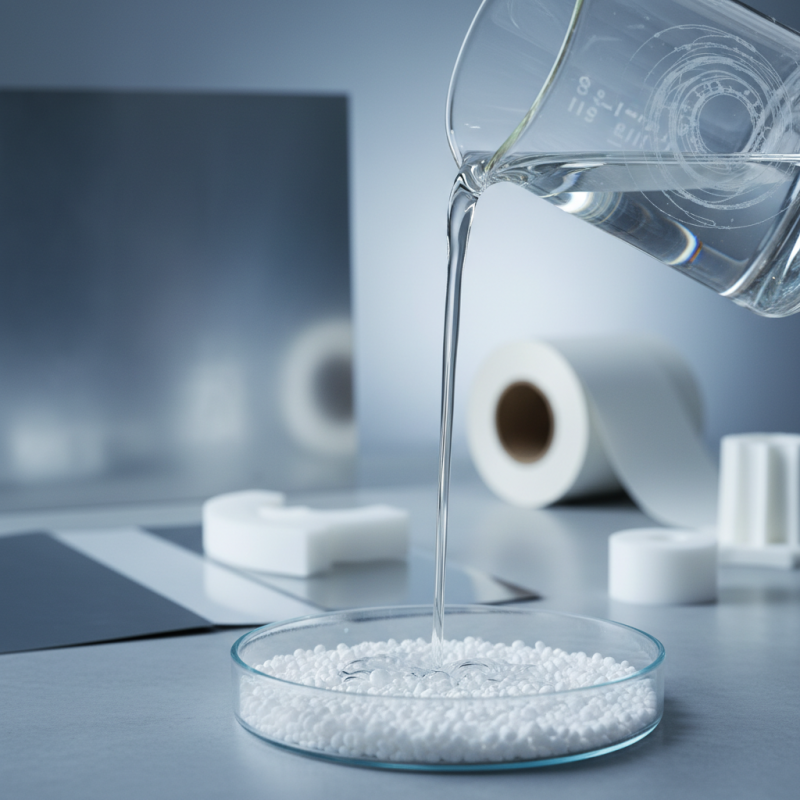
What is Diheptyl Phthalate?
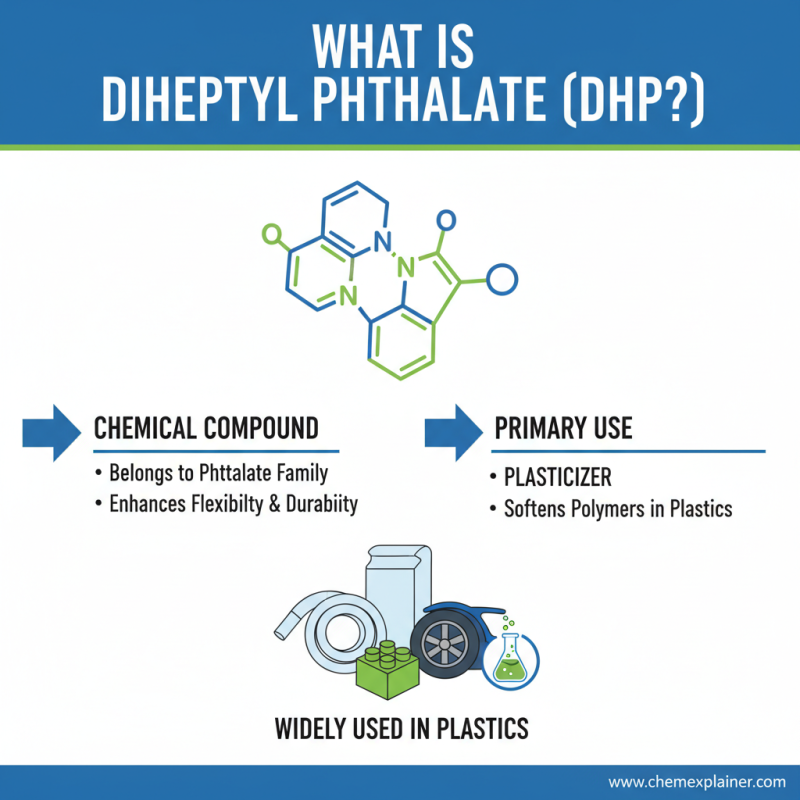
Diheptyl phthalate (DHP) is a chemical compound widely used in plastics as a plasticizer. It enhances the flexibility and durability of polymers. This compound belongs to the phthalate family, which is known for its ability to soften materials.
DHP has various applications in different industries, including automotive and consumer goods. Its properties make it suitable for products like cables, flooring, and even adhesives. The versatility of DHP allows manufacturers to create products that withstand wear and tear.
While DHP offers many advantages, some concerns exist around its safety profile. Studies suggest potential risks associated with phthalates, prompting a call for more research. Regulatory agencies continuously assess these substances to ensure consumer safety. Buyers should stay informed about the latest findings. Understanding DHP’s properties and implications can be crucial for making responsible purchasing decisions.
Chemical Structure and Properties of Diheptyl Phthalate
Diheptyl Phthalate (DHP) is a member of the phthalate ester family. This compound has gained attention in various industrial applications. It is utilized primarily as a plasticizer, enhancing the flexibility of polymers. The chemical structure of DHP involves a heptyl group attached to phthalate, providing it unique properties.
The molecular formula of Diheptyl Phthalate is C22H38O4. This structure contributes to its low volatility and high thermal stability. According to market research, plasticizers like DHP account for over 60% of the total demand in the plastic industry. DHP's effectiveness in lowering the glass transition temperature of materials makes it ideal for use in flexible PVC products. Additionally, its compatibility with various polymers enhances processability.
While DHP offers numerous benefits, it is essential to consider potential environmental impacts. Phthalates, in general, raise concerns regarding their presence in consumer products. The industry is increasingly focusing on sustainable alternatives. Reports indicate that about 30% of manufacturers are actively seeking eco-friendly substitutes for traditional plasticizers. This shift reflects a growing awareness of health and environmental concerns, urging the sector to rethink its material choices. These complexities highlight the need for ongoing research into safer formulations.
Diheptyl Phthalate Applications and Properties
Diheptyl Phthalate is commonly used in various applications across multiple industries. The chart above illustrates the distribution of its applications, highlighting the areas where it is predominantly utilized. Plastics and adhesives represent the largest segments, showcasing its importance in manufacturing and cosmetic industries.
Common Applications of Diheptyl Phthalate in Industry
Diheptyl Phthalate (DHP) is a colorless liquid widely employed in various industrial applications. One key area of use is in plasticizers for polyvinyl chloride (PVC). By improving flexibility and durability, DHP enhances the overall performance of PVC products. This is particularly valuable in producing flooring, cables, and automotive components. Manufacturers appreciate DHP for its ability to maintain stability under different temperatures.
Another important application of DHP is in adhesives and sealants. It acts as a solvent that ensures better adhesion between surfaces. This property is especially useful in construction and manufacturing sectors. The integration of DHP into formulations can sometimes bring unexpected challenges. For instance, fluctuating properties can influence production consistency. Moreover, not all users are aware of the best practices for handling and storing DHP.
DHP also finds its way into personal care products. It can act as an emollient in creams and lotions, providing a smooth texture. However, the use in consumer goods may raise questions about safety and regulatory compliance. This necessitates ongoing research and discussions regarding its long-term effects. Thus, understanding DHP's applications and potential issues is crucial for buyers seeking reliable solutions.
What is Diheptyl Phthalate and its Applications for Buyers?
| Application Area |
Industry |
Description |
Benefits |
| Plastics |
Polymer Industry |
Used as a plasticizer in the production of flexible PVC products. |
Improves flexibility and durability of plastics. |
| Coatings |
Paint and Coating Industry |
Acts as a solvent and plasticizer in paint formulations. |
Enhances application properties and finish quality. |
| Adhesives |
Construction and Manufacturing |
Used to improve the strength and flexibility of adhesives. |
Increases bond durability and resistance to environmental factors. |
| Cosmetics |
Personal Care Product Industry |
Serves as an emollient and skin conditioning agent. |
Enhances skin feel and product spreadability. |
| Textiles |
Textile Industry |
Used in shading and softening fabrics. |
Improves fabric comfort and draping characteristics. |
Safety and Regulatory Considerations for Buyers
Diheptyl Phthalate (DHP) is a chemical compound often used in various industrial applications. This substance serves as a plasticizer, making products more flexible and durable. However, it is essential for buyers to understand the safety and regulatory landscape surrounding DHP.
The safety considerations for DHP are increasingly under scrutiny. According to a recent report from the European Chemicals Agency (ECHA), DHP has been categorized as a substance of concern due to potential endocrine-disrupting properties. This classification means that manufacturers must provide detailed safety data. Reports indicate that prolonged exposure may pose risks to human health and the environment. Buyers should ensure that they are sourcing DHP from suppliers who comply with these regulations.
Regulatory frameworks also play a pivotal role in how DHP is utilized. The U.S. Environmental Protection Agency (EPA) emphasizes the need for risk assessments before DHP can be approved for specific applications. This scrutiny leads to varying compliance standards globally. Buyers must carefully navigate these requirements. Choosing products that meet safety guidelines is crucial for maintaining industry standards. Understanding the regulatory landscape can help businesses mitigate risks associated with the use of DHP.
Market Trends and Future Outlook for Diheptyl Phthalate
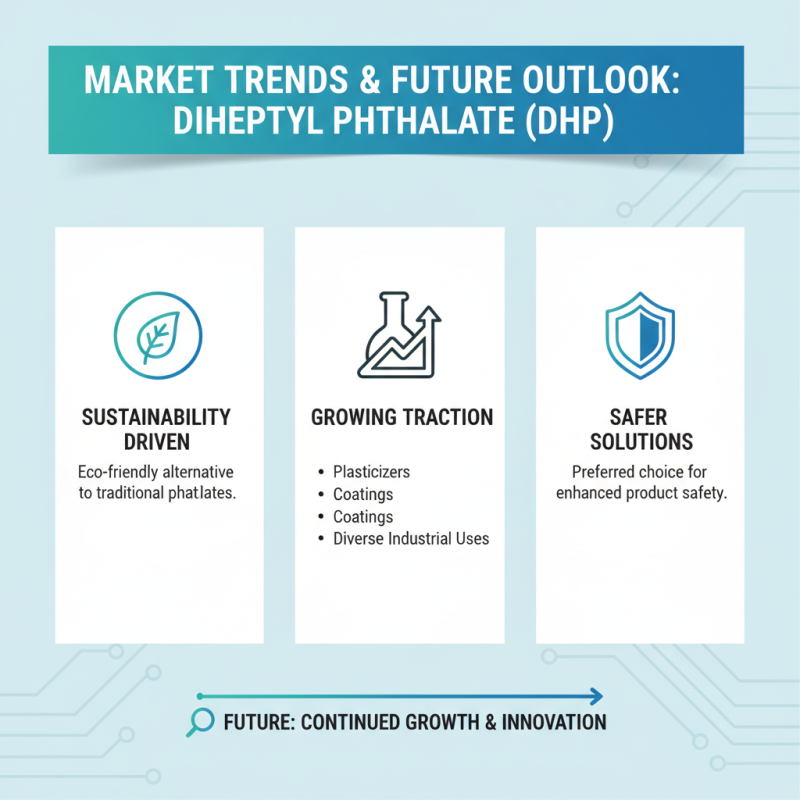
Diheptyl phthalate (DHP) is gaining traction in various industries, particularly in plasticizers and coatings. Its unique properties make it a valuable alternative to traditional phthalates. As manufacturers seek safer and more effective solutions, DHP's appeal is growing. This shift aligns with global trends towards sustainability and eco-friendliness.
Market trends indicate a steady increase in DHP demand. Industries such as automotive, construction, and textiles are exploring its benefits. However, challenges remain, such as regulatory hurdles and competition from other materials. Buyers must stay informed about these dynamics to make well-rounded decisions. Understanding the material’s potential applications can be beneficial, but it comes with scrutiny regarding safety and environmental impacts.
The future outlook for diheptyl phthalate appears promising yet uncertain. While opportunities abound, the market must address ongoing concerns about health and regulations. Buyers should weigh these factors carefully. Trends suggest a move towards greener alternatives. Yet, caution is advised. The path forward requires careful consideration and informed choices.